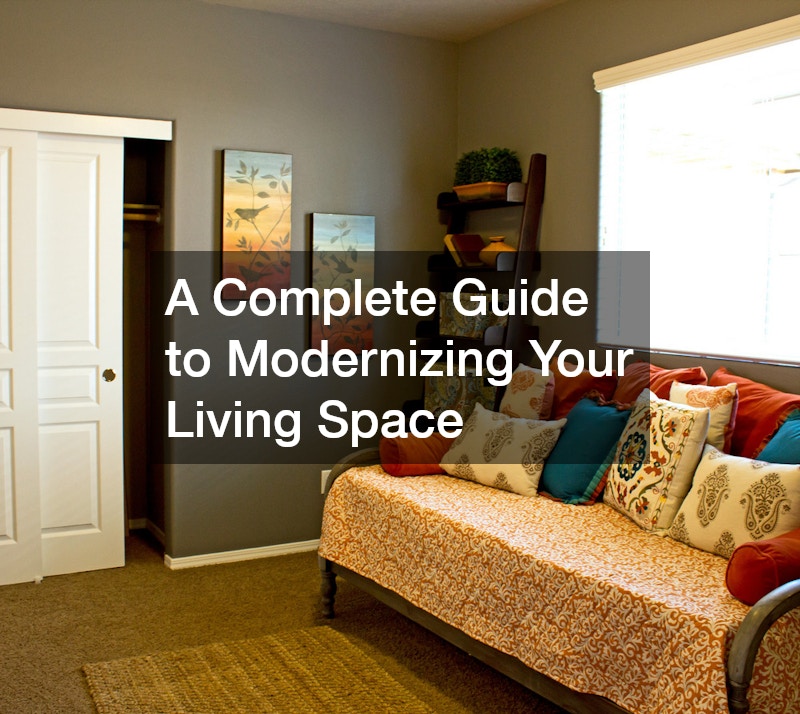
A Complete Guide to Modernizing Your Living Space
Modernizing your living space is more than just updating appearances—it’s about improving how your home functions, feels, and supports your lifestyle. Whether you’re aiming for a sleek contemporary look or simply want to refresh outdated features, the process involves thoughtful planning and strategic upgrades. From structural changes to small design enhancements, every decision contributes to a more comfortable, efficient, and visually appealing environment. This guide walks you through practical, actionable steps to help you transform your home into a modern, cohesive space you’ll enjoy for years to come.
Start With a Clear Vision and Practical Plan
Before making any physical changes, it’s essential to define what “modernizing” means for your home. For some, it might involve open-concept living and minimalist finishes. For others, it could mean improving functionality while maintaining a traditional aesthetic. Start by evaluating your current space—identify what feels outdated, inefficient, or no longer suits your lifestyle. Walk through each room with a critical eye and take notes on problem areas such as poor lighting, lack of storage, or awkward layouts that disrupt daily routines.
Create a list of priorities. Do you need more storage? Better lighting? Improved layout flow? Separate your list into “must-haves” and “nice-to-haves” so you can allocate your budget more effectively. Once you have clarity, establish a realistic budget and timeline. This helps prevent scope creep and ensures you stay on track. Be sure to factor in unexpected costs and build in a small contingency buffer to avoid delays.
Working with a home remodeler can be incredibly valuable at this stage. They can assess structural possibilities, recommend design solutions, and help you avoid costly mistakes. They may also provide insights into materials, layout optimization, and energy-efficient upgrades you may not have considered. If your project is larger in scale, partnering with a home remodeling service ensures that everything—from permits to final finishes—is handled professionally and efficiently, reducing stress and improving overall project coordination.
Upgrade Your Walls With Modern Colors and Finishes

Walls set the tone for your entire home, making them one of the most impactful areas to update. Modern interiors often favor neutral palettes like soft whites, warm grays, and earthy tones, which create a clean and calming backdrop. However, don’t shy away from adding personality through accent walls or subtle textures.
Consider the finish of your paint as well. Matte finishes work well for low-traffic areas, while satin or eggshell finishes are more durable for living spaces and kitchens. Gloss finishes can highlight architectural details but should be used sparingly.
Preparation is key to achieving a polished look. This includes repairing imperfections, sanding surfaces, and applying primer where needed. While DIY painting is possible, hiring professional house painters can ensure crisp lines, even coverage, and a longer-lasting finish—especially in larger or more complex spaces.
Improve Natural Light and Privacy With Smart Window Treatments
Lighting plays a critical role in modern design. Natural light makes spaces feel larger, more inviting, and more connected to the outdoors. If your home lacks sufficient daylight, start by evaluating your window treatments.
Heavy curtains can make a room feel dated and closed off. Replacing them with sleek, minimal options can instantly modernize the space. Blinds are a popular choice due to their versatility and clean appearance. They allow you to control light levels while maintaining privacy.
To maximize results, consider how your window coverings interact with the direction of sunlight throughout the day. South-facing windows may need more light control to reduce glare, while north-facing windows benefit from lighter materials that allow more brightness in. Layering solutions—such as pairing sheer panels with blinds—can give you flexibility to adjust lighting based on time of day or activity.
Consider materials and functionality as well. Motorized or smart-controlled options can enhance convenience, especially in hard-to-reach areas. These systems can even be scheduled to open and close automatically, helping regulate indoor temperature and reduce energy costs. Additionally, light-filtering materials can soften harsh sunlight while still allowing brightness to fill the room. Choosing the right window treatments helps strike the perfect balance between openness and comfort.
Replace Outdated Flooring for a Fresh Foundation

Flooring is one of the most noticeable elements in any home. Worn, outdated, or mismatched floors can make even a well-designed space feel incomplete. Updating your floors provides a fresh foundation that ties everything together.
Hard surfaces are particularly popular in modern homes due to their durability and clean aesthetic. Wood tones—whether light, medium, or dark—can dramatically influence the mood of a room. Lighter tones can make smaller spaces feel open and airy, while darker finishes add warmth and sophistication. Consistency across spaces also helps create a seamless flow, especially in open-concept layouts where abrupt transitions can feel visually disruptive.
Beyond appearance, it’s important to consider performance. High-traffic areas like hallways and living rooms require materials that resist scratches and wear, while kitchens may benefit from finishes that handle moisture more effectively. Proper subfloor preparation and installation techniques also play a critical role in preventing issues like warping or uneven surfaces over time.
If you’re considering wood options, working with a hardwood flooring service ensures proper installation and longevity. Professionals can help you choose the right materials, finishes, and plank sizes to match your design goals while accounting for factors like moisture and foot traffic. They can also guide you on maintenance routines, such as cleaning methods and refinishing schedules, to keep your floors looking modern and well-maintained for years to come.
Enhance Comfort and Style With a Fireplace Unit
A well-designed focal point can completely transform a living space. One of the most effective ways to achieve this is by upgrading a central feature that naturally draws attention. In many homes, this could be a fireplace.
Modern designs often favor clean lines, minimalist surrounds, and integrated materials like stone, tile, or metal. For example, a floor-to-ceiling stone finish can create a dramatic statement, while a sleek tile surround offers a more subtle, contemporary look. You can also incorporate built-in shelving or media units around the fireplace to enhance both functionality and visual balance.
Whether you’re converting an outdated unit or installing a new one, there are many options available—from electric to gas systems—that offer both efficiency and style. Electric models are ideal for easy installation and low maintenance, while gas systems provide a more traditional feel with improved energy efficiency compared to older wood-burning units.
Collaborating with a fireplace company ensures that the installation is safe, compliant with local codes, and optimized for performance. They can also help you choose the right size, placement, and materials based on your room layout. A thoughtfully designed fireplace not only enhances aesthetics but also adds warmth and comfort, making your living area more inviting year-round.
Invest in Functional and Stylish Built-In Pieces
Furniture plays a major role in how your space looks and functions. While off-the-shelf options can work, they don’t always maximize your layout or reflect your personal style. Investing in custom furniture allows you to create pieces that fit your exact needs.
For example, built-in shelving can provide storage without taking up additional floor space, making it ideal for smaller rooms or open-concept layouts where clutter can quickly become overwhelming. A custom dining table can be tailored to your room dimensions, ensuring better flow and usability while also serving as a centerpiece that ties the room together. Multi-functional pieces—like storage benches or modular seating—are especially valuable in modern homes where efficiency is key, allowing you to adapt your space for entertaining, relaxing, or working from home.
Beyond functionality, custom furniture gives you full control over design details. You can select materials that match your existing finishes, choose colors that complement your palette, and incorporate unique features like hidden storage or built-in lighting. This level of personalization helps eliminate mismatched elements and creates a more unified, intentional look throughout your home.
Additionally, well-crafted custom pieces are often more durable than mass-produced alternatives, offering long-term value and performance. By investing in quality design and construction, you’re not just enhancing aesthetics; you’re creating solutions that support your lifestyle every day.
Upgrade Entryways and Interior Access Points
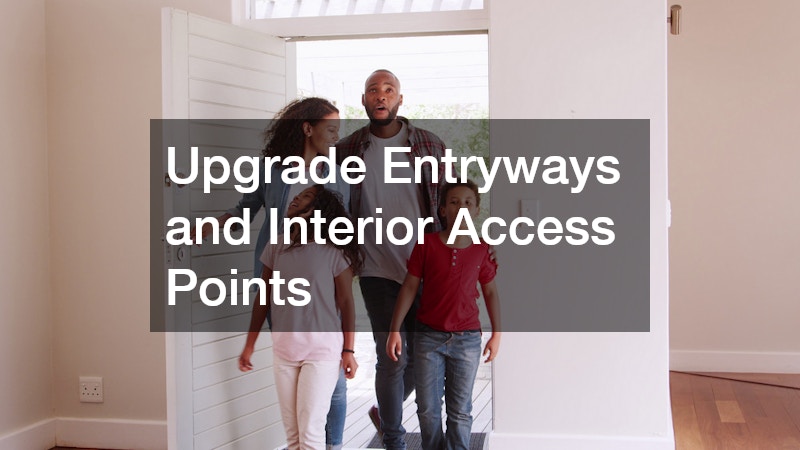
Doors are often overlooked, yet they have a significant impact on both appearance and functionality. Old or damaged doors can reduce energy efficiency, compromise security, and detract from your home’s overall design. Even small issues like gaps, worn seals, or outdated finishes can make a space feel less polished and increase heating and cooling costs over time.
Upgrading your entryways can instantly elevate curb appeal and improve insulation. A modern front door with clean lines or subtle glass elements can create a strong first impression while allowing natural light into your home. Inside the home, replacing outdated interior doors with modern styles—such as flush panels or glass inserts—can create a more cohesive and updated look. Consistency in door style throughout the house helps tie different rooms together visually.
Door replacement is also an opportunity to improve hardware, such as handles and hinges, which contribute to the overall aesthetic. Finishes like matte black, brushed nickel, or warm brass can subtly reinforce your design style. Soft-close hinges and upgraded locking mechanisms can also enhance functionality and security.
When selecting new doors, consider durability, maintenance requirements, and how they complement your broader design choices. Materials like solid wood, fiberglass, or steel each offer different benefits, so choose based on your priorities for longevity, insulation, and ease of upkeep.
Plan Logistics Carefully for a Smooth Renovation Process

Even the best design plans can fall apart without proper logistics. Preparing your home for renovation is a critical step that helps minimize stress and disruptions, especially when multiple trades and timelines overlap.
Start by decluttering and organizing your belongings. Go room by room and sort items into categories: keep, donate, store, or discard. This not only makes the renovation process easier but also prevents unnecessary items from getting in the way or damaged. It also gives you a clearer sense of what you truly need in your updated space, helping you avoid bringing clutter back into a newly improved environment. For larger projects, you may need to temporarily relocate furniture or even vacate certain areas of your home to allow contractors full access and maintain safety.
Hiring a moving company can simplify this process significantly. Professionals can safely transport and store your items, using proper packing materials and techniques to prevent damage. This is especially helpful for bulky furniture, fragile items, or when working within tight timelines. Coordinating schedules with contractors and service providers also ensures that each phase of the project progresses smoothly. Clear communication about delivery, storage, and return dates helps avoid delays and keeps your renovation on track.
Bring Everything Together With Cohesive Design Choices
Once individual upgrades are complete, the final step is ensuring everything works together harmoniously. A modern home should feel cohesive, not like a collection of disconnected updates.
Start by aligning your color palette across rooms. Consistent tones help create visual flow, especially in open-concept spaces. Rather than using identical colors everywhere, aim for complementary shades that transition naturally from one room to the next. This creates continuity while still allowing each space to have its own personality.
Next, pay attention to materials and finishes—mixing too many styles can make a space feel cluttered, while a balanced combination creates depth and interest. Try to repeat key materials, such as wood tones or metal finishes, in multiple areas to tie everything together. For example, if you use brushed nickel in one room, carry it into nearby spaces through lighting or hardware.
Lighting fixtures, hardware, and décor elements should complement each other without being overly matchy. Focus on consistency in style rather than exact duplication. Clean lines, similar shapes, or shared design influences can help unify different elements while keeping the space visually engaging.
Finally, conduct a thorough walkthrough of your home. Look closely at transitions between rooms, checking for mismatched finishes, uneven spacing, or overlooked details. Addressing these small inconsistencies ensures the entire space feels polished and thoughtfully designed.
Transform Your Home Into a Modern, Functional Living Space
Modernizing your living space is a rewarding process that enhances both the beauty and functionality of your home. By taking a thoughtful, step-by-step approach, you can create an environment that reflects your style while supporting your everyday needs. Whether you’re making small updates or undertaking a full transformation, the key is to focus on quality, consistency, and long-term value.