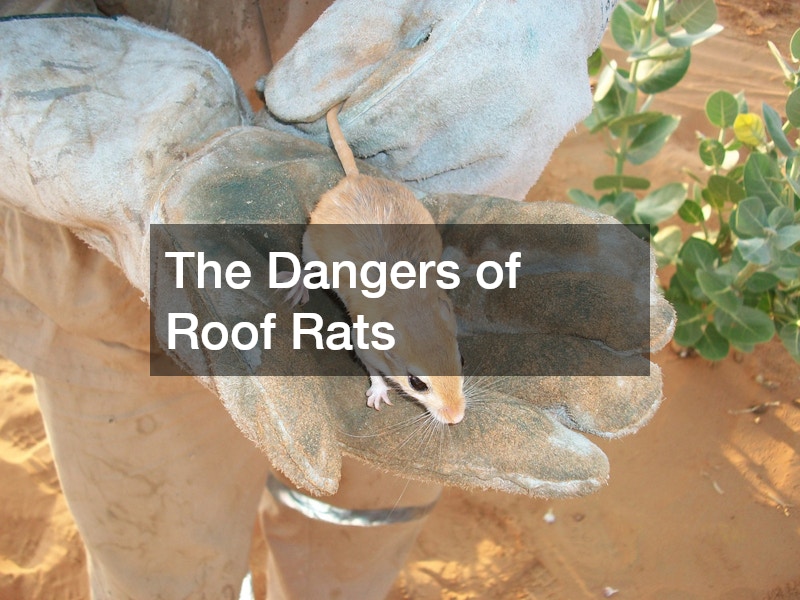
The Dangers of Roof Rats
The presence of roof rats can pose significant threats not only to the structure of your home but also to your health and well-being. Understanding these dangers is crucial to effectively implementing rodent control strategies.
The Physical Damage Caused by Roof Rats
Roof rats are notorious for causing extensive physical damage to properties. These rodents have strong teeth capable of chewing through a variety of materials including wood, plastic, and even electrical wiring.
This destructive behavior can compromise the structural integrity of buildings, leading to costly repairs. Electrical wire damage poses an additional risk of fire, making it crucial for homeowners to take immediate action upon detecting any infestation signs. Rodent control measures are essential to prevent these damages and ensure the safety of your home.
In addition to structural damage, roof rats can ruin insulation materials in attics and walls. They create nests using shredded insulation, which not only decreases the insulation’s effectiveness but also encourages further infestation. This can result in increased energy bills as heating and cooling systems must work harder to maintain indoor temperatures. Moreover, the insulation damage can give rise to moisture problems, causing mold growth that can further deteriorate the building. Proper rodent control is essential to maintain the energy efficiency of your home.
Roof rats are also known for damaging personal property within homes. Stored items in garages, basements, or attics can be chewed or contaminated with droppings and urine, rendering them unusable. This can be particularly distressing when sentimental or valuable items are involved. Regular inspections and prompt rodent control are vital to protect your belongings from these destructive pests. Addressing any sign of infestation early can save both time and money in the long run.
Health Risks Associated With Roof Rats
Roof rats are carriers of various diseases that can be transmitted to humans and pets. Their droppings and urine can contaminate food sources, potentially leading to diseases such as salmonellosis and leptospirosis. The contamination often occurs when rats scavenge for food in your kitchen or pantry, leaving behind traces of bacteria and pathogens. Rodent control and proper sanitation practices are crucial to prevent these health hazards and protect your family’s well-being. Maintaining a clean and rat-free environment is essential to reduce the risk of disease.
The presence of roof rats can also aggravate allergies and asthma symptoms. These rodents shed fur and skin, which combine with droppings and urine to create potent allergens. Exposure to these allergens can lead to respiratory issues, especially in individuals with pre-existing conditions like asthma. Effective rodent control and regular cleaning can significantly improve indoor air quality, providing relief to allergy sufferers. Keeping living spaces free from roof rats is crucial for a healthy home environment.
Moreover, roof rats can indirectly contribute to the spread of vector-borne diseases through their fleas and mites. These parasites can transmit diseases such as murine typhus and bubonic plague. While such diseases are rare, they represent a potential health threat in areas with high rodent populations. Ensuring effective rodent control and pest management can help prevent such infestations and minimize the health risks associated with roof rats. Protecting your home from these pests is an investment in your family’s health.
Preventing Roof Rat Infestations
Preventative measures are key in keeping roof rats at bay and ensuring effective rodent control. One such measure is sealing any gaps or openings in your home’s exterior, as these rodents can squeeze through very small spaces. Regular maintenance and inspection of entry points such as vents, pipes, and windows can help prevent rats from gaining access. Removing potential nesting sites, such as overgrown vegetation and clutter around the home, is also crucial. By maintaining a tidy environment, you make it less inviting for roof rats to settle in.
Proper waste management and food storage practices play a significant role in deterring roof rat infestations. Ensuring that garbage bins are tightly sealed and not left outdoors overnight can prevent attracting rodents to your home. Similarly, keeping food in airtight containers and promptly cleaning up spills and crumbs reduces the chances of roof rats finding food sources. Implementing these basic rodent control measures can help create a hostile environment for rats, discouraging them from setting up residence. Good hygiene is an essential part of rodent prevention.
If you suspect a roof rat infestation despite implementing preventative measures, it is advisable to seek professional rodent control services. Pest control experts have the experience and equipment to safely and effectively eliminate roof rats from your property. They can also provide valuable advice on preventing future infestations and maintaining a rodent-free environment. Investing in professional guidance can save you from the headaches of dealing with a severe infestation and the resultant damages. Eradicating roof rats is vital to maintaining the safety and health of your home.