
Building a Realistic Budget Before Your Next Home Project
A home project can quickly spiral from an exciting upgrade into a financial headache if you walk in without a clear budget. Whether you are tackling a single room or overhauling multiple systems in your house, the difference between a smooth renovation and a stressful one often comes down to planning your numbers before you pick up a hammer. This guide breaks down how to estimate costs realistically, where homeowners typically underestimate, and how to build in the right cushion so surprises do not derail your finances. By the end, you will have a practical framework for pricing out your next project with confidence.
Estimating Costs for Heating and Cooling Upgrades
Heating and cooling projects are some of the most expensive line items in any home improvement budget, and they are also among the easiest to underestimate. Before you start collecting quotes, think about the age and condition of your existing equipment, since replacing an aging system often costs less over time than repeatedly patching one that is failing. If you are planning air conditioning installation as part of a larger renovation, get at least three quotes so you can compare not just price but also warranty terms and included ductwork adjustments.
It also helps to research seasonal pricing trends, since contractors often have more flexibility on cost during their slower months in spring and fall. Ask each provider to itemize labor, equipment, and permit fees separately so you can see exactly where your money is going.
- Get written estimates that separate equipment cost from labor cost
- Ask about energy efficiency rebates that could offset your budget
- Confirm whether old equipment removal and disposal is included
- Factor in the cost of upgrading electrical or ductwork if needed
Planning for Roof Inspections and Repairs
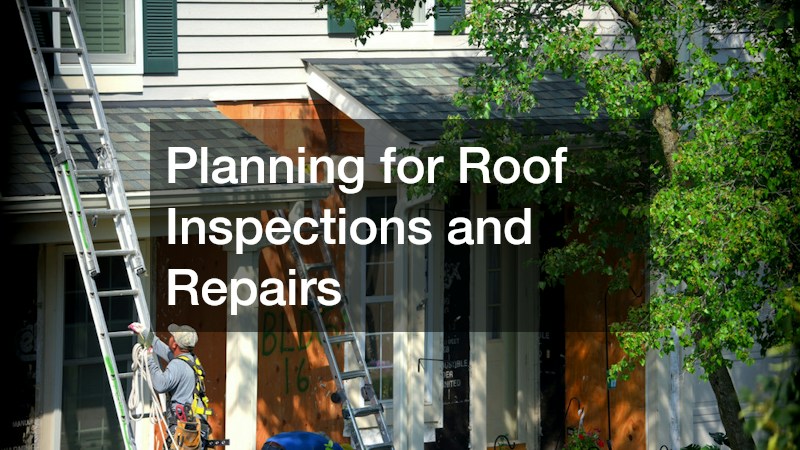
Your roof protects everything else you have invested in your home, so budgeting for its upkeep deserves careful attention. Before assuming you need a full replacement, bring in a couple of roofers to inspect the structure and give you an honest assessment of what is actually needed. Get at least two or three opinions, since estimates and recommendations can vary widely depending on who climbs up there. A thorough inspection should check for cracked or missing shingles, soft spots in the decking, damaged flashing around chimneys and vents, and signs of water intrusion in the attic. Ask for photos or a written report so you have documentation to compare between quotes. This also gives you a baseline to reference if problems resurface down the road. Many homeowners are surprised to learn that targeted roof repair can extend the life of a roof by several years at a fraction of the cost of a total replacement. Patching a section of damaged shingles or resealing flashing might run a few hundred dollars, compared to the many thousands a full tear-off and replacement typically costs. Set aside a contingency of at least 10 to 15 percent above the initial estimate, since roofers often uncover additional issues like rotted decking once they start the work.
Before collecting bids, schedule a professional roof inspection to identify the actual scope of work needed. Inspectors typically charge $150 to $400 and can spot issues like damaged flashing, worn underlayment, or early signs of leaks that aren’t visible from the ground. This gives you a clear baseline so every contractor is quoting on the same repair list, making bids easier to compare. When comparing bids, ask each roofing company to explain their material options and how those choices affect long-term cost. Basic three-tab asphalt shingles might cost $3.50 to $5.50 per square foot installed but last only 15 to 20 years, while architectural shingles run $4.50 to $8 per square foot and can last 25 to 30 years. Metal roofing costs more upfront, often $8 to $14 per square foot, but can last 40 to 70 years with minimal maintenance. A cheaper quote today might mean thinner shingles, lower-grade underlayment, or fewer layers of protection that need attention again in five to seven years. Weigh upfront savings against expected lifespan, and factor in warranty terms as well, since some manufacturers offer 25-year or even lifetime coverage on premium materials. Also ask whether the quote includes removal and disposal of old roofing, as this can add $1,000 or more if not accounted for upfront.
- Request a written scope of work detailing exactly which repairs are included, along with materials, quantities, and labor hours
- Ask about warranty coverage for both materials and labor, and get the duration in writing (e.g., 25 years on shingles, 5-10 years on workmanship)
- Compare at least two or three independent inspections before committing, since estimates can vary by hundreds or thousands of dollars
- Budget an extra 10-20% contingency for unforeseen issues uncovered mid-repair
- Factor in potential costs for structural repairs if damage is found underneath, such as rotted decking, sagging rafters, or water-damaged sheathing
- Ask whether the inspection includes attic and interior ceiling checks, since leaks often show up far from their actual source
Budgeting for Interior Painting Projects

Painting seems like a simple, budget-friendly project, but costs can climb quickly once you account for prep work, trim detailing, and the number of coats needed. When requesting quotes from interior painters, ask whether the price includes wall repairs, primer, and cleanup, since these are often quoted separately and can add hundreds of dollars to your final bill. Paint quality also matters, as premium paints tend to cover better and last longer, which can save money on touch-ups down the road.
If you are painting multiple rooms, ask for a per-room breakdown rather than a single lump sum, so you can prioritize spaces if your budget gets tight. This also makes it easier to phase the project over time without losing track of your original cost estimates.
- Ask whether furniture moving and floor protection are included in the quote
- Request samples of previous work to gauge finish quality
- Clarify how many coats are included in the estimated price
- Confirm the timeline, since faster turnarounds sometimes cost more
Comparing Flooring Options and Installation Quotes
Flooring is another category where prices vary widely depending on material choice, room size, and subfloor condition. When you reach out to carpet installation companies, ask them to inspect your existing subfloor first, since repairs or leveling work can add unexpected costs if not caught early. Getting multiple quotes also helps you understand the going rate in your area, since pricing can differ significantly between companies offering similar materials.
Beyond the carpet or flooring material itself, factor in costs for removing old flooring, disposing of it, and any furniture moving that needs to happen before installation day. Ask about padding options too, since higher quality padding can improve comfort and durability without dramatically increasing your total cost.
- Measure your space in advance so quotes are based on accurate square footage
- Ask if old flooring removal and haul-away is included
- Compare warranty terms on both materials and installation workmanship
- Request a firm start and completion date in writing
Pricing Out Condo and Shared-Space Improvements
If you live in a condo or shared community, certain projects require a different budgeting approach because of association rules and shared responsibility for outdoor spaces. Collecting deck condo bids is a good example, since pricing often needs to account for association approval timelines, shared material standards, and access restrictions that single-family homeowners do not face. Ask your association for any documented material or color requirements before requesting quotes, since noncompliant work may need to be redone at your own expense.
It is also worth checking whether your condo fees or reserve fund contribute to any portion of exterior improvements, since this can change how much you personally need to budget. Getting this clarity early prevents the frustrating situation of paying out of pocket for something that should have been partially covered.
- Confirm association approval requirements before signing a contract
- Ask contractors if they have experience working within condo communities
- Clarify who is responsible for permit applications
- Get a timeline that accounts for potential approval delays
Handling Furnace Repairs and Replacement Decisions
A furnace breakdown in the middle of winter has a way of turning a planned project into an emergency expense, which is exactly why it deserves its own line in your budget. Setting aside funds for furnace repair each year, even if nothing is currently wrong, gives you a financial cushion so a sudden issue does not force you to dip into unrelated project funds. Ask your technician for an honest opinion on whether repair or replacement makes more financial sense based on the age and efficiency of your current unit.
- Ask for a breakdown of parts versus labor costs
- Request information on expected lifespan after the repair
- Compare the cost of repair against the price of a new, more efficient unit
- Ask about maintenance plans that could reduce future repair costs
Investing in Custom Storage and Organization Features
Storage upgrades are often treated as an afterthought in home project budgets, but they can meaningfully affect your home’s function and resale value. Custom closets tend to cost more upfront than prefabricated shelving units, but they make better use of awkward spaces and typically last longer without needing replacement. When budgeting for this kind of project, ask for a detailed design consultation so you understand exactly what materials and hardware are included in the price.
It helps to prioritize which rooms need the upgrade most, since tackling one or two high-impact closets first can spread the cost over time while still improving daily function. Ask installers about lead times as well, since custom work often takes longer to manufacture than off-the-shelf alternatives.
- Request a detailed materials list before approving a design
- Ask about lead time for manufacturing and installation
- Compare pricing between modular and fully custom systems
- Clarify whether design consultations are free or count toward the final cost
Estimating Costs for Exterior Fencing Projects
Fencing projects vary enormously in price depending on material, length, and terrain, so it pays to get specific before assuming a number. If you are considering a more durable option, pricing out metal fence supplies separately from labor can help you understand where your budget is actually going, since material costs fluctuate based on market conditions. Terrain also matters, since sloped or rocky yards often require additional labor and equipment that flat lots do not.
- Measure your total fence line accurately before requesting quotes
- Ask whether gate hardware and posts are priced separately
- Factor in potential costs for removing an old fence
- Confirm if permits are required in your municipality
Budgeting for Plumbing and Gas Line Work
Projects involving gas appliances or plumbing modifications require special attention in your budget because they often involve permits, inspections, and licensed professionals rather than general contractors. Gas line installation in particular should always be priced with safety compliance in mind, since cutting corners here is not a place to save money. Ask your provider whether the quote includes permit fees and required inspections, since these add both time and cost to the overall project.
It is also smart to ask about the scope of work in plain language, so you understand whether the job involves running new lines, capping old ones, or connecting new appliances. Getting this clarity upfront helps you avoid change orders that can quietly inflate your final bill.
- Confirm the contractor is licensed for gas work specifically
- Ask whether permit and inspection fees are included in the estimate
- Get a clear explanation of the full scope before work begins
- Request a written safety compliance statement upon completion
Building a realistic budget takes more upfront effort than simply picking a number and hoping it holds, but that effort pays off in fewer surprises and better decisions along the way. Start by researching costs specific to your project, get multiple quotes, and always build in a contingency fund for the unexpected. With a clear, itemized budget in hand, you will be able to move forward on your next home project with confidence instead of guesswork.