
Why Home Maintenance Is the Most Critical Part of Ownership
Homeownership is widely celebrated as a primary pillar of personal stability, wealth creation, and financial security. Unlocking the front door of a newly purchased house brings an undeniable sense of pride and independence. However, the true story of successful homeownership begins long after the moving boxes are unpacked and the mortgage paperwork is signed. Behind the cosmetic beauty of painted walls, polished hardwood floors, and manicured lawns lies a complex network of structural framing, high-voltage electrical grids, pressurized plumbing lines, and mechanical climate control systems. Left unattended, these interconnected systems naturally succumb to environmental exposure, mechanical friction, and physical wear.
Many homeowners view property upkeep as a series of inconvenient, reactive chores—tasks to be tackled only when something breaks, leaks, or fails entirely. This passive mindset is one of the single most expensive mistakes a property owner can make. Home maintenance is not an optional luxury or a secondary weekend hobby; it is the absolute foundation of long-term real estate value, personal safety, and financial predictability. Practicing proactive, preventive home care protects your structural envelope, prevents catastrophic property losses, slashes monthly utility overhead, and builds lasting equity. This comprehensive guide details why routine maintenance is the single most critical aspect of homeownership and how systematic care preserves your sanctuary for decades to come.
Address Small Exterior Problems Before They Become Major Repairs
The exterior envelope of your home serves as a continuous, physical shield defending timber framing, subfloors, electrical wiring, and finished living spaces from driving rain, freezing temperatures, scorching solar UV rays, and high winds. Because the roof sits out of direct daily sight, minor issues—such as a single cracked shingle, slightly lifted chimney flashing, or loose ridge cap—frequently go unnoticed. However, water is a persistent, destructive force that follows the path of least resistance. A minor gap in your roofing material allows rainwater to migrate into attic spaces, saturating insulation, rotting wooden roof decking, and creating ideal conditions for toxic mold growth.
Neglecting minor exterior flaws turns minor, low-cost maintenance into massive, multi-thousand-dollar structural overhauls. Enlisting a dedicated roof repair service at the first sign of exterior wear ensures certified technicians climb onto the structure to inspect flashings, clear valley debris, seal pipe boots, and replace damaged shingles before water penetrates the building envelope. Promptly addressing minor roof defects prevents hidden timber rot, keeps attic insulation dry and thermally efficient, and protects your interior ceilings from sudden water stains. Proactive exterior maintenance preserves the structural integrity of your home from the top down, saving you immense financial stress and preserving your equity.
Prevent Water Damage With Routine Plumbing Maintenance
Pressurized water supply lines and waste drainage pipes operate continuously behind drywall, beneath subfloors, and under foundation slabs. Because plumbing infrastructure is largely invisible, subtle pinhole leaks, slow-draining lines, and joint corrosion often develop quietly over long periods. A tiny, undetected pipe leak releasing just a few drops of water per minute can release thousands of gallons of water into wall cavities over a year. This hidden moisture rots structural floor joists, warps subfloors, ruins hardwood flooring, and fosters toxic mold growth long before visible damp spots appear on interior drywall.
Waiting for a pipe to burst before calling for professional help guarantees severe structural damage and inflated repair bills. Partnering with a licensed plumber for routine system inspections and drain clearing ensures that minor plumbing defects are identified and resolved early. Experienced plumbers utilize non-invasive diagnostic equipment—such as electronic leak detectors, pressure testing gauges, and high-definition video pipe cameras—to evaluate pipe wall thickness, detect hidden supply leaks, and clear line restrictions before pipes rupture. Proactive plumbing care protects your subfloors from moisture rot, maintains clean waste lines, ensures safe drinking water, and saves thousands of dollars in emergency water damage restoration.
Keep Indoor Comfort Systems Running Efficiently Year-Round
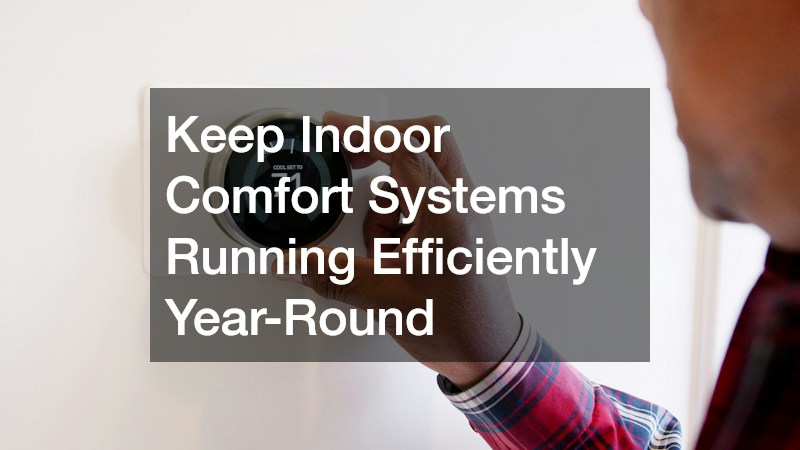
Achieving ideal indoor climate control is essential for maintaining a healthy, comfortable, and energy-efficient living environment across changing seasons. Your heating, ventilation, and air conditioning network is the single largest consumer of energy in your home, enduring continuous operational cycles during peak summer heatwaves and freezing winter blizzards. Over months of continuous operation, internal blower fans accumulate airborne dust, cooling coils collect grime, air filters clog, and moving mechanical parts suffer friction wear. Operating dirty or uncalibrated climate control equipment forces the system to work twice as hard to maintain set temperatures, driving utility bills up and accelerating mechanical failure.
Neglecting mechanical maintenance leads to inefficient operation, high electric and gas bills, poor indoor humidity control, and sudden system breakdowns during extreme weather events. Partnering with an established, certified HVAC company for bi-annual seasonal tune-ups guarantees that your heating and cooling equipment operates at peak thermodynamic efficiency. Certified technicians clean condenser and evaporator coils, flush condensate drain lines, inspect electrical capacitors, check refrigerant charges, and balance airflow distribution. Routine mechanical optimization keeps your climate system running quietly, purifies indoor air, slashes monthly energy overhead, and extends the operational lifespan of your expensive HVAC equipment by years.
Protect the Home’s Structure With Regular Roof Inspections
Your roof is subject to continuous environmental wear, bearing the full brunt of atmospheric elements every single day. Over time, solar radiation dries out asphalt shingles, making them brittle and prone to granule loss, while severe windstorms loosen flashing around chimneys and skylights. Furthermore, organic growth like moss, algae, and lichen can take root on damp shingle surfaces, holding moisture directly against the roof deck and accelerating shingle decay. Attempting to judge a roof’s structural condition from the ground is impossible, as subtle material degradation and flashing gaps are only visible upon close, expert inspection.
Scheduling routine structural evaluations with licensed residential roofers keeps your building envelope completely watertight and storm-ready. Certified roofers conduct thorough safety and structural audits, evaluating shingle adhesion, inspecting valley seams, checking soffit-to-ridge attic ventilation pathways, and verifying that roof deck framing remains structurally sound. Professional roofers identify minor vulnerabilities early, re-sealing flashing joints and clearing organic debris before water can breach the roof surface. Regular roof inspections extend the operational life of your existing roof structure, preserve attic insulation, and provide essential documentation that proves proper maintenance for insurance coverage and future home buyer disclosures.
Prepare for Unexpected Damage With a Clear Restoration Plan
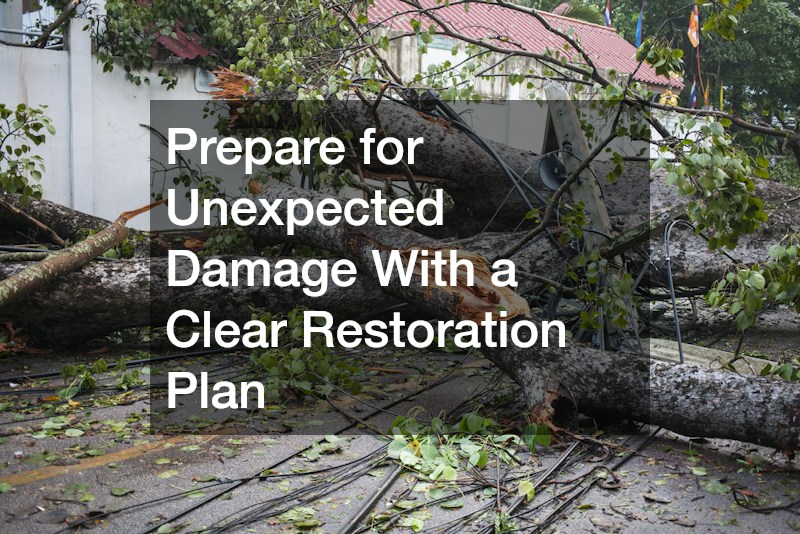
Even the most meticulously maintained property can fall victim to sudden, unpredictable disasters, such as a localized kitchen grease fire, an electrical short inside a wall, a sudden lightning strike, or a severe municipal water main backup. During a property crisis, panic and hesitation can compound physical damage. Acidic soot from a fire continues to pit, stain, and corrode metal fixtures, quartz counters, and glass surfaces hours after open flames are extinguished, while standing water rapidly saturates subfloors and drywall, sparking dangerous mold growth within 24 to 48 hours.
Having a clear emergency action strategy and an established relationship with a certified fire damage restoration team allows you to respond rapidly and decisively when unexpected disasters occur. Professional restoration specialists arrive on-site immediately to stabilize compromised building structures, board up exposed openings, extract standing water, and neutralize corrosive soot residues. Restoration crews deploy industrial HEPA air scrubbers, thermal fogging units, and structural drying equipment to extract deeply embedded smoke odors and moisture from wall cavities. Establishing a proactive disaster recovery plan halts ongoing chemical corrosion, prevents secondary mold contamination, and prepares your residence for safe, efficient reconstruction.
Maintain Safe and Reliable Access to the Garage
The garage is frequently the primary daily entry point for family vehicles and personal storage, operating under continuous mechanical use multiple times a day. However, a modern garage door is also the largest, heaviest moving mechanical object in any residence. The system relies on high-tension steel torsion springs, lifting cables, track rollers, and motorized opener units working in harmony to lift hundreds of pounds of solid wood or steel overhead safely. Over years of daily operation, torsion springs lose tension, steel cables fray, track rollers wear out, and hinges loosen, transforming an essential convenience into a severe safety hazard.
Attempting DIY repairs on high-tension garage door components is extremely dangerous, as a snapping spring or releasing cable can cause catastrophic personal injury or structural property damage. Scheduling regular preventive maintenance with a professional garage door service keeps heavy access systems operating smoothly, quietly, and safely. Certified field technicians inspect cable alignment, adjust spring tension using specialized winding tools, lubricate track rollers, and balance door weight accurately. Technicians also test automatic safety reverse mechanisms and photo-eye sensors to ensure heavy doors stop instantly if an object or loved one is detected. Regular garage access servicing prevents sudden mechanical failures, protects physical safety, and maintains home security.
Extend the Life of Aging Drainage Systems

Subterranean sewer and wastewater drainage lines are among the most critical, yet underappreciated, utility networks on any residential property. Every gallon of wastewater discharged from sinks, toilets, showers, and washing machines flows through underground sewer pipes connecting your home to municipal main lines or private septic tanks. Over decades of service, underground clay, cast iron, or plastic drain lines suffer from ground shifting, heavy vehicle loads, corrosion, and invasive tree root intrusion. As tree roots penetrate pipe joints to seek water, they catch toilet paper and solid waste, causing severe, unsanitary wastewater backups inside home basements and crawlspaces.
Traditionally, repairing a cracked or root-choked underground sewer pipe required heavy excavation equipment digging massive trenches across manicured lawns, brick driveways, and mature landscaping, costing tens of thousands of dollars in property destruction. Modern trenchless sewer pipe lining offers a revolutionary, non-invasive alternative that restores aging drainage pipes from the inside out. Certified plumbing specialists use high-definition video pipe cameras to inspect line damage before pulling a flexible, resin-saturated epoxy liner through the existing pipe. Once cured, the epoxy creates a seamless, joint-free, and root-proof “pipe-within-a-pipe” that fully restores structural flow capacity without tearing up your lawn or hardscapes. Investing in modern trenchless drainage lining preserves landscape equity, eliminates unsanitary backups, and extends the operational lifespan of your drainage network for up to fifty years.
Update High-Use Spaces Before Problems Become More Expensive
Bathrooms are among the most intensely used areas in any home, subjected daily to extreme moisture, high humidity, thermal expansion, and heavy foot traffic. Over time, tile grout cracks, silicone caulk around tubs and showers degrades, vanity plumbing develops slow drips, and outdated exhaust fans fail to clear humid air efficiently. Ignoring minor surface wear in high-moisture spaces allows water to seep behind wall tiles and beneath floor coverings, quietly rotting subfloor timber framing, loosening tile bonds, and fostering hidden toxic mold colonies inside wall cavities.
Updating aging surfaces and fixtures proactively before structural water rot occurs is far smarter and more cost-effective than executing a total, emergency structural tear-out later. Partnering with a professional bathroom remodeling company allows you to replace worn, leaky shower enclosures, update outdated vanities, and install modern, non-porous quartz surfaces and waterproof tile assemblies. Experienced bath contractors install advanced sheet-waterproofing membranes beneath tile work, flood-test custom shower bases, and install high-capacity, moisture-sensing exhaust ventilation to pull humid air out instantly. Updating high-use bath spaces eliminates hidden water damage, eliminates mold hazards, improves daily self-care comfort, and builds high equity value for prospective future buyers.
Keep Electrical Systems Safe and Up to Date
Modern households rely on an unprecedented array of electronic devices, smart appliances, high-capacity HVAC units, home entertainment centers, and electric vehicle chargers. However, millions of homes still operate on older electrical infrastructure that was never designed to handle continuous, high-draw modern power loads safely. Running modern technology through aging 100-amp service panels, outdated knob-and-tube or aluminum wiring, ungrounded outlets, or overloaded circuits creates severe electrical fire hazards, causes frequent breaker trips, and damages sensitive electronics through sudden voltage surges. Electrical defects operate silently behind drywall, making them uniquely dangerous.
Scheduling comprehensive safety audits and system updates with licensed residential electrical contractors guarantees that your home’s power grid remains safe, efficient, and fully code-compliant. Experienced electricians evaluate panel bus bar conditions, upgrade service capacities to modern 200-amp or 400-amp standards, install dedicated high-voltage circuits for heavy appliances, add Arc Fault (AFCI) and Ground Fault (GFCI) circuit protection, and set up whole-home surge suppression. Upgrading your electrical infrastructure eliminates hidden fire hazards, protects expensive devices from voltage spikes, supports modern smart home technology, and ensures your home passes rigorous safety inspections with complete confidence.
Preserve Long-Term Home Value With Preventive Exterior Care
A home’s structural framing and interior finishes are only as secure as the exterior building envelope that shields them. Over time, environmental weathering—such as heavy rain, wind-driven hail, freeze-thaw cycles, and solar radiation—erodes exterior paint, degrades window caulking, loosens fascia boards, and dulls roofing materials. Allowing exterior building materials to weather without preventive maintenance leads to premature material failure, drafty indoor rooms, water infiltration, and an unkept appearance that severely diminishes curb appeal and overall market appraisal value.
Investing in routine, professional roofing services and exterior building care is the single most effective way to protect your physical structure and maximize property valuation over time. Certified exterior specialists perform comprehensive structural maintenance—clearing debris from roof valleys, re-sealing chimney flashings, replacing damaged shingles, inspecting gutter downspout drainage, and verifying proper attic ventilation balance. Maintaining a tight, weather-resistant exterior building envelope prevents structural water intrusion, optimizes energy efficiency, keeps indoor living spaces draft-free, and delivers a polished, move-in-ready aesthetic. Consistent, professional exterior care protects your building investment, maintains high curb appeal, and guarantees that your home remains a source of pride, safety, and financial equity for decades to come.
Homeownership is an ongoing journey that requires continuous care, strategic investments, and proactive maintenance. Viewing home maintenance through a lens of prevention rather than panic is the secret to successful long-term property ownership. By systematically addressing roof repairs, maintaining pressurized plumbing, optimizing HVAC performance, inspecting electrical grids, and updating high-use spaces, you build a resilient, high-performance sanctuary that protects your family from unexpected costs and safety hazards.