
The Yearly Rhythm of Upkeep Every Property Quietly Demands
Every home runs on an invisible calendar, one that has little to do with your personal schedule and everything to do with weather, wear, and time. Gutters fill with leaves whether or not you’ve noticed, HVAC systems strain whether or not you’ve scheduled a checkup, and small cracks widen whether or not you’ve looked closely. Missing these seasonal cues doesn’t just cost comfort, it costs money, often in the form of emergency repairs that could have been avoided with a little foresight. This guide walks through the recurring tasks that keep a property healthy year-round, broken down by the systems and surfaces that need attention most.
Refresh Your Garden Beds and Soil Every Spring
As soon as the frost clears, garden beds need a reset to support healthy growth through the warmer months. Old plant debris should be cleared away, soil should be loosened, and a fresh layer of mulch should be spread to lock in moisture and suppress weeds before they take hold. This single task can cut down on watering frequency significantly during the hottest stretches of summer.
Beyond moisture control, a properly maintained bed also protects your home’s foundation by reducing erosion around its perimeter. Replacing mulch annually also prevents the buildup of fungus and pests that thrive in old, decomposing layers.
- Remove matted leaves and dead plant material before adding new material
- Apply a two to three inch layer for optimal moisture retention
- Keep mulch pulled back a few inches from siding and foundation walls
- Choose a material suited to your climate, like shredded hardwood or pine straw
Schedule Water System Checks Before Peak Watering Season
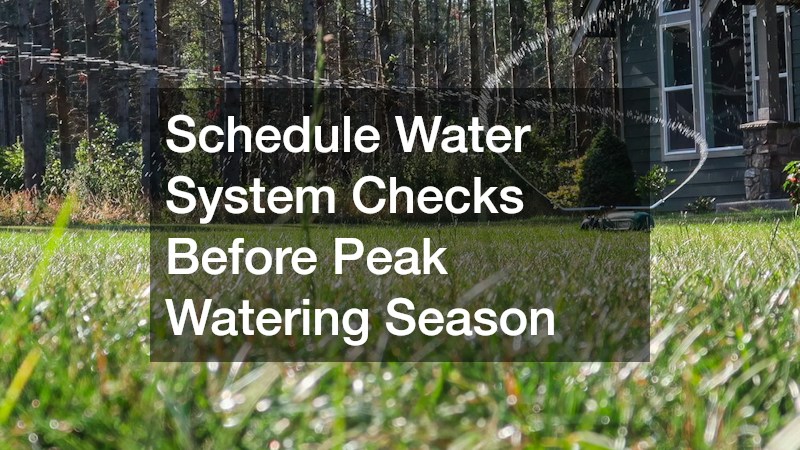
Lawn and garden watering systems take a beating over winter, especially in regions where temperatures dip below freezing. Before the growing season ramps up, it’s worth walking the yard to check for broken heads, leaks, and uneven coverage that could be wasting water or starving certain areas of your landscape. An irrigation system that hasn’t been inspected in a year can lose a surprising amount of efficiency without any obvious signs.
A simple test run, with each zone checked individually, usually reveals problems quickly. Catching a cracked line or stuck valve in spring saves both water and money through the summer months when usage is at its highest.
- Run each zone and watch for weak or inconsistent spray patterns
- Check for pooling water, which can indicate a broken line underground
- Adjust timers seasonally rather than leaving them on a single year-round setting
- Inspect exposed hoses and fittings for winter cracking
Have Your Cooling System Inspected Before Summer Heat Arrives
Air conditioning units work hardest in the months when a breakdown is least convenient, which is exactly why spring is the right time for a tune-up. Waiting until the first heat wave means competing with every other homeowner for a technician’s time, often resulting in a week or more without relief. A routine AC service typically includes cleaning coils, checking refrigerant levels, testing airflow, and inspecting electrical connections and the condensate drain line. Dirty coils alone can reduce efficiency by 30 percent or more, forcing the system to run longer and harder just to hit the same temperature. Low refrigerant, meanwhile, often signals a slow leak rather than normal wear, and catching it early prevents compressor damage down the road. These checks affect both comfort and energy bills, since a unit working at full efficiency uses less electricity to deliver the same cooling output. Many manufacturers also tie warranty coverage to proof of annual maintenance, so a documented spring inspection can protect against costly repair bills later. Skipping this step often means discovering a problem only once the unit is already struggling against 90-degree heat, when parts are backordered and service calls are priced at a premium.
Homeowners who stay ahead of this maintenance tend to avoid the most expensive mid-summer breakdowns entirely. A spring tune-up typically costs between $75 and $200, while a full system replacement after a sudden failure can run $5,000 or more—making the inspection one of the better returns on investment in home upkeep. A qualified technician will check refrigerant levels, test electrical connections, clean the condenser coils, and inspect the blower motor for wear. Dirty coils alone can reduce cooling efficiency by 30% or more, forcing the system to work harder and driving up utility bills before the real heat even sets in. Units that run inefficiently for months before anyone notices often suffer more internal wear, shortening their overall lifespan. A compressor under constant strain may last only 8 to 10 years instead of the 15 to 20 years it’s designed for, turning what should have been a minor repair into a premature full replacement. It’s also worth replacing air filters every one to three months during peak season and confirming that outdoor units have at least two feet of clearance from shrubs, fences, or debris. These small habits keep airflow steady and reduce the chances of an emergency service call on the hottest day of the year.
- Replace or clean air filters monthly during peak usage; a clogged filter forces the system to work harder and can spike energy bills
- Clear debris, leaves, and overgrown vegetation from around outdoor condenser units, keeping at least two feet of clearance on all sides for proper airflow
- Check that vents inside the home are unblocked by furniture, curtains, or rugs so conditioned air circulates evenly room to room
- Schedule a professional tune-up each spring to have refrigerant levels, electrical connections, and the condenser coil inspected before temperatures climb
- Test the thermostat’s accuracy and consider upgrading to a programmable or smart model to reduce strain during the hottest hours
- Keep a record of past maintenance visits, filter changes, and repairs for warranty purposes and to spot recurring issues early
Watch for Warning Signs That Point to Cooling System Repairs

Even a well-maintained system can develop issues partway through the season, and knowing the warning signs helps prevent small problems from becoming major ones. Strange noises, weak airflow, or a system that cycles on and off frequently are all signals that something needs attention. Waiting too long to address these symptoms often turns a simple fix into a far costlier one.
Rising energy bills without a change in usage habits are another common clue that a unit isn’t running as it should. Addressing AC repairs promptly, rather than pushing through a season of reduced performance, generally costs less in the long run and keeps the household comfortable through the hottest stretch of the year.
- Listen for grinding, rattling, or clicking sounds during operation
- Note any rooms that feel noticeably warmer than others
- Check for ice buildup on refrigerant lines, which signals a deeper issue
- Track monthly energy bills to catch inefficiency early
Inspect and Clean Gutters Twice a Year at Minimum
Gutters are easy to forget until they fail, but clogged channels can lead to water damage on fascia boards, roofing, and even foundations. Twice-yearly cleaning, once in late spring and again in fall after leaves drop, keeps water flowing where it should. Standing water in gutters also attracts mosquitoes and other pests, adding another reason to stay on schedule.
It helps to check gutter brackets and seams during each cleaning, since loose fasteners and small leaks are much cheaper to fix than a sagging or detached gutter system. A few minutes of inspection twice a year prevents a much bigger repair bill down the road.
- Clear debris from both gutters and downspouts, not just the visible channel
- Check for proper slope so water drains toward downspouts
- Look for rust spots or separated seams on metal gutters
- Confirm downspouts direct water at least three feet away from the foundation
Book a Roof Inspection Before and After Severe Weather

Roofs absorb more seasonal stress than almost any other part of a home, from winter ice to summer sun to the high winds of spring storms. An annual inspection, ideally scheduled before storm season and again afterward, can catch loose shingles, damaged flashing, or small leaks before they become structural issues. Professional roofers have the training to spot subtle signs of wear that are easy for homeowners to miss from the ground.
Timing matters here too, since minor repairs addressed quickly are far less expensive than replacing an entire section of roofing after prolonged water intrusion. Keeping a record of inspection dates and any repairs made also helps when it comes time to sell the home or file an insurance claim.
- Check attic spaces for water stains or daylight coming through the roof deck
- Look for curling, cracked, or missing shingles after storms
- Inspect flashing around chimneys and vents for separation
- Schedule a professional inspection at least once a year regardless of visible damage
Evaluate Exterior Siding for Cracks and Moisture Damage
Siding takes on a protective role that’s easy to overlook until paint starts peeling or boards start warping. A yearly walk around the exterior can reveal cracks, gaps, or soft spots that let moisture seep into the wall cavity, leading to mold or structural rot over time. Catching these issues early usually means a simple patch rather than a full section replacement.
For damage that goes beyond a quick DIY fix, siding contractors can assess whether the problem is cosmetic or indicative of a larger moisture issue behind the walls. This is especially important in older homes, where original materials may not meet today’s standards for weather resistance.
- Press on suspicious areas to check for soft, spongy wood underneath
- Look for discoloration, which often signals trapped moisture
- Check caulking around windows and doors for cracking or shrinkage
- Repaint or reseal exposed wood siding every few years
Schedule Seasonal Pest Prevention Before Problems Take Hold
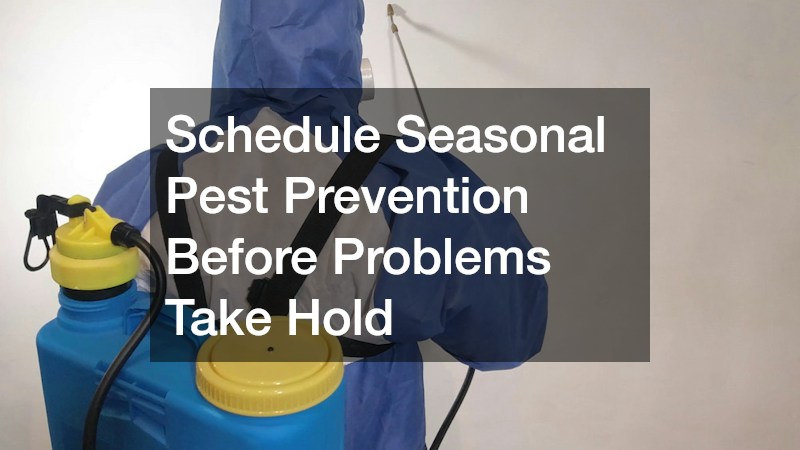
Pests follow their own seasonal patterns, moving indoors as temperatures drop and becoming more active outdoors as the weather warms. A proactive approach, rather than waiting for visible signs of infestation, tends to be far more effective and less costly. Many pest control companies recommend quarterly treatments for this reason, timed around the natural behavior cycles of common household pests.
Sealing entry points around the foundation, trimming vegetation away from the exterior, and storing firewood away from the house all reduce the likelihood of an infestation taking hold in the first place. Combining these habits with professional treatment creates a much stronger line of defense than either approach alone.
- Seal gaps around utility lines, vents, and foundation cracks
- Store firewood at least twenty feet from the home
- Keep gutters clean to avoid standing water that attracts insects
- Trim tree branches that touch or overhang the roofline
Arrange Major Equipment or Material Deliveries With Proper Lifting Support
Larger seasonal projects, like installing a new HVAC unit on a rooftop or replacing heavy roofing materials, often require more than a standard delivery truck and a few extra hands. In these situations, crane services provide a safe and efficient way to move bulky equipment or materials to upper floors or rooftops without damaging landscaping or structures below. This is particularly common in denser neighborhoods where access is limited and ground-level staging space is tight.
Planning ahead for this kind of support matters, since scheduling conflicts and permit requirements can delay a project if arranged at the last minute. Homeowners tackling a major renovation should ask contractors early whether specialized lifting equipment will be necessary.
- Confirm whether local permits are needed for street or sidewalk closures
- Ask contractors about equipment size requirements before scheduling
- Coordinate timing with neighbors if shared access is involved
- Factor lifting costs into the overall project budget early on
Plan for Renovation Debris and Material Disposal
Any significant home project, from a kitchen remodel to a full roof tear-off, generates waste that needs a responsible disposal plan. Construction and demolition waste often includes materials that shouldn’t go straight into a regular trash pickup, which is where C D recycling services become useful. These programs divert wood, metal, drywall, and concrete away from landfills, often at a lower cost than standard waste removal.
Homeowners sometimes assume debris removal is a minor detail, but it affects both project timelines and overall cost. A plumber replacing old pipes, for instance, may leave behind old fixtures and materials that need proper handling alongside general construction debris. Planning disposal logistics at the start of a project, rather than as an afterthought, keeps things moving smoothly from demolition to completion.
- Ask contractors in advance how debris will be sorted and hauled away
- Separate recyclable materials like metal and wood when possible
- Confirm local rules on dumpster placement and permit requirements
- Schedule pickups to match project phases rather than waiting until the end
Keeping a property in good shape isn’t about tackling everything at once, it’s about matching small, consistent tasks to the season that demands them. A simple calendar reminder for gutter cleaning, system inspections, and pest prevention can prevent most of the expensive surprises homeowners dread. Start by identifying which of these tasks hasn’t been done in the last year, and build outward from there. Staying a season ahead is almost always cheaper, and far less stressful, than catching up after something fails.