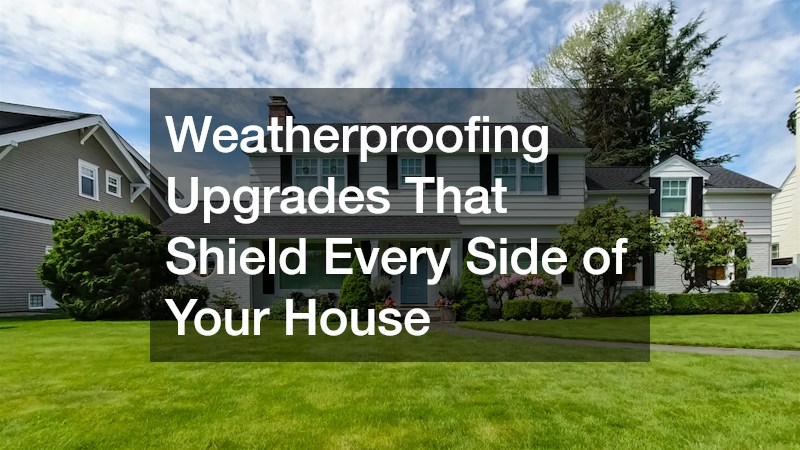
Weatherproofing Upgrades That Shield Every Side of Your House
Your home faces a constant barrage of wind, rain, sun, and seasonal temperature swings, and every side of the house has its own vulnerabilities. A roof that leaks, a foundation that floods, or a garage that lets in drafts can all lead to costly repairs down the road. The good news is that weatherproofing is not a single project but a series of targeted upgrades, each one protecting a different part of your home. This guide walks through the key areas to address so your house stays resilient no matter what the forecast brings.
Protecting Your Roofline From Seasonal Wear
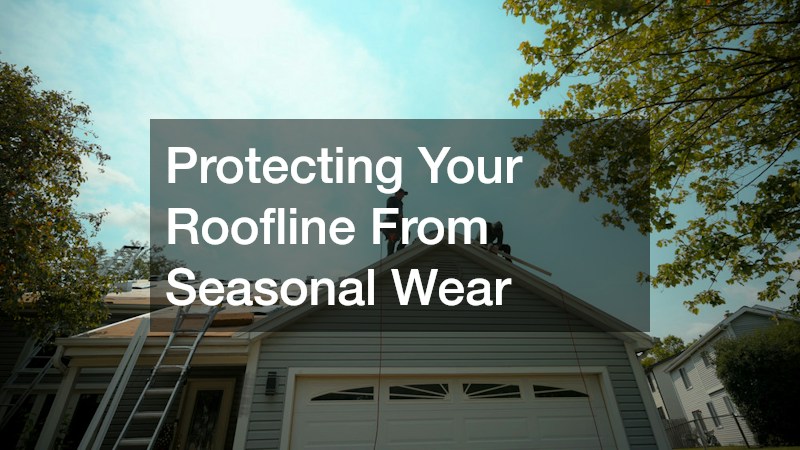
The roof takes the brunt of sun, hail, wind, and snow, making it one of the most important weatherproofing priorities for any homeowner. Small issues like cracked shingles or deteriorating flashing can quickly turn into major leaks if left unaddressed, and what starts as a $200 repair can balloon into thousands of dollars in water damage, mold remediation, or rotted decking if ignored. Beyond shingles, pay close attention to flashing around chimneys, vents, and skylights, since these junctions are common entry points for water. Sagging gutters, granule buildup at downspouts, and curling shingle edges are all early warning signs worth noting between formal inspections. Scheduling a professional inspection twice a year, ideally in spring and fall, helps catch problems before they escalate into structural damage. Fall inspections should focus on clearing debris and securing loose materials ahead of winter storms, while spring visits can assess damage from ice, snow load, or freeze-thaw cycles. It’s also worth checking attic insulation and ventilation during these inspections, since poor airflow can trap moisture, accelerate shingle deterioration, and contribute to ice dams in colder climates.
Your roofline takes the brunt of seasonal extremes, from summer heat that bakes shingles to winter freeze-thaw cycles that stress flashing and seams. Working with established roofing companies gives you access to materials and techniques designed for your specific climate, whether that means impact-resistant shingles in hail-prone regions, reflective coatings in hot, sunny areas, or reinforced underlayment in zones with heavy snow loads. A reputable contractor can also help you understand your attic ventilation, which plays a surprisingly large role in preventing moisture buildup and ice dams. Poor airflow traps heat and humidity, warping decking and shortening shingle life by years, while balanced intake and exhaust vents keep temperatures consistent across seasons. Many roofing companies will also inspect flashing around chimneys and vents, since these small points are common entry spots for water intrusion. It’s worth asking about the lifespan and warranty terms of different materials, since asphalt shingles typically last 20 to 25 years while metal roofing can exceed 40 with proper maintenance. Scheduling a professional inspection once a year, ideally before winter, can catch loose shingles or small leaks before they become structural issues. Investing in a quality roof now often costs less than dealing with water damage later, both in repair bills and in the headache of emergency fixes.
- Check for curling, cracked, or missing shingles after major storms, and scan for granule loss in gutters, a sign shingles are nearing the end of their lifespan
- Clear debris from valleys and flashing points regularly, since trapped leaves and pine needles trap moisture and accelerate rot around chimneys and vents
- Inspect flashing around skylights, chimneys, and roof-to-wall joints yearly, as these spots are the most common source of hidden leaks
- Ask about warranty coverage when replacing roofing materials, including whether labor is included and how long coverage lasts (often 20-30 years for materials, far less for workmanship)
- Consider reflective or cool-roof coatings in warmer climates to cut attic temperatures and reduce cooling costs during peak summer months
- Schedule a professional roof inspection every 1-2 years, or immediately after hail or high-wind events, to catch damage before it leads to interior leaks
Reinforcing Windows and Entryways Against High Winds
Windows and doors are often the weakest points in a home’s defense against severe weather, especially during hurricanes or tropical storms. Flying debris can shatter glass in seconds, allowing wind and water to rush inside and cause extensive interior damage. Reinforcing these openings is one of the most effective ways to protect your home’s structural integrity during a major storm.
Installing hurricane shutters is one of the most reliable upgrades for coastal or storm-prone homes, offering a physical barrier that keeps glass intact and pressure from building up inside the house. Accordion, roll-down, and panel styles each offer different levels of convenience and protection, so it is worth comparing options based on your budget and how quickly you may need to deploy them. Pairing shutters with reinforced door frames rounds out a solid defense system for your home’s exterior.
- Accordion shutters offer quick deployment in emergencies
- Roll-down shutters provide year-round convenience with push-button operation
- Panel shutters are budget-friendly but require manual installation
- Reinforced glass is a good backup option where shutters are not practical
Managing Water Flow Around Your Foundation
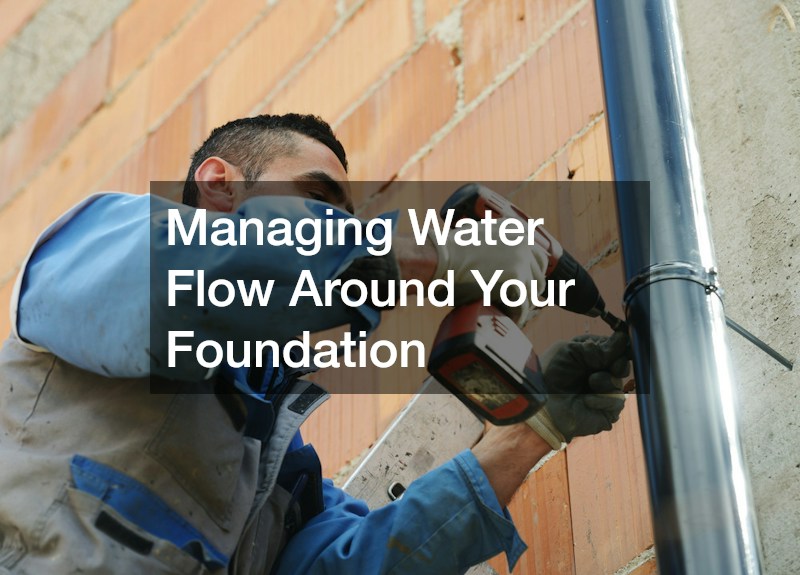
Water pooling near your foundation is one of the most overlooked threats to a home’s long-term stability. Over time, poor drainage can lead to cracks, basement flooding, and even shifting soil that compromises structural integrity. Grading your yard so water flows away from the house is a simple but essential first step.
Indoor plumbing issues can compound these problems, particularly when clogged pipes cause backups during heavy rain. Routine drain cleaning helps prevent slow drains from turning into basement floods when storm water overwhelms your system. Combining good exterior grading with well-maintained interior plumbing creates a more complete defense against water intrusion.
- Extend downspouts at least five feet away from the foundation
- Install a French drain if your yard tends to collect standing water
- Check basement window wells for proper sealing and drainage
- Schedule professional cleaning for pipes that drain slowly or gurgle
Keeping Your Heating System Ready for Winter
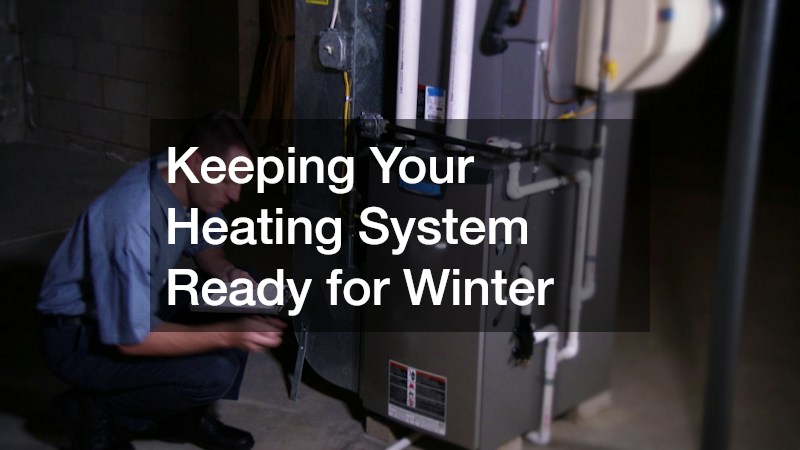
Cold weather puts enormous strain on home heating systems, and a breakdown in the middle of winter can be both uncomfortable and dangerous. Furnaces generally last between fifteen and twenty years, but performance starts declining well before that if maintenance is neglected. Knowing the signs of an aging system helps you plan ahead rather than scrambling during the first cold snap.
If your furnace is rattling, cycling too frequently, or struggling to maintain a consistent temperature, it may be time to consider furnace replacement rather than continuing to patch an unreliable unit. Newer models are often significantly more energy efficient, which can offset the upfront cost through lower utility bills over time. Getting ahead of a full breakdown also means you are not stuck without heat during an emergency.
- Watch for rising energy bills as a sign of declining efficiency
- Listen for unusual banging, rattling, or squealing sounds
- Replace air filters every one to three months during peak season
- Consider a programmable thermostat to reduce strain on an aging unit
Maintaining Outdoor Living Spaces Through Changing Seasons
Decks and patios are constantly exposed to sun, rain, and temperature swings, which can cause wood to warp, crack, or rot if not properly maintained. Sealing and staining on a regular schedule helps protect the wood fibers from moisture absorption and UV damage. Composite materials offer more resistance to the elements but still benefit from periodic cleaning and inspection.
If your deck is showing signs of significant wear, such as soft spots, loose railings, or warped boards, bringing in a professional deck contractor can help determine whether repairs or a full rebuild makes more sense. A contractor can also recommend materials and fastening systems better suited to your local climate, which is especially useful in regions with heavy rain or extreme temperature swings. Addressing structural issues early prevents small problems from becoming safety hazards.
- Reseal wood decks every one to three years depending on exposure
- Inspect railings and stairs for stability each spring
- Look for gaps between boards that could trap moisture
- Check support posts for signs of rot near ground contact
Organizing and Insulating Your Garage Space
The garage is often treated as an afterthought when it comes to weatherproofing, yet it is directly exposed to temperature swings and can let drafts seep into attached living spaces. Weatherstripping around the garage door and sealing gaps in the walls helps keep conditioned air inside your home where it belongs. This is particularly important if your garage shares a wall with a bedroom or living area.
Beyond insulation, modern garage storage systems can help protect your belongings from humidity and temperature extremes while also keeping walkways clear during storm season. Wall-mounted shelving and overhead racks keep items off the floor, reducing the risk of water damage if moisture ever seeps in. A well-organized garage also makes it easier to quickly access storm supplies like shutters, sandbags, or emergency generators when severe weather approaches.
- Add weatherstripping around the garage door perimeter
- Insulate the garage door itself if the space is attached to the home
- Use elevated shelving to protect stored items from potential flooding
- Keep emergency weather supplies in an easily accessible spot
Servicing Your Cooling System Before Peak Heat
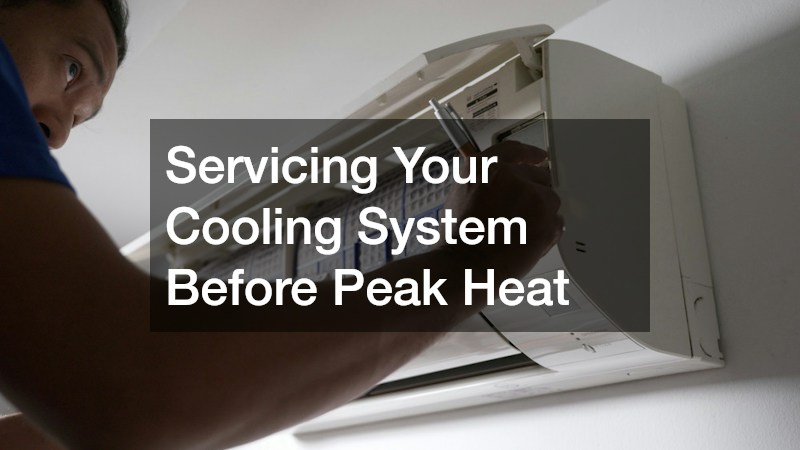
Just as furnaces need attention before winter, cooling systems require regular care to perform well during the hottest months of the year. Dirty coils, low refrigerant, and clogged filters all force your system to work harder, driving up energy costs and shortening its lifespan. Annual tune-ups catch these issues before they turn into expensive mid-summer breakdowns.
Scheduling HVAC service in the spring, before temperatures spike, ensures a technician has time to order parts or schedule repairs without the pressure of an emergency. Technicians can also check ductwork for leaks that let cooled air escape into attics or crawl spaces, which quietly drives up utility bills all season long. Keeping your entire system properly maintained extends its lifespan and keeps your home comfortable even during extreme heat waves.
- Replace or clean air filters monthly during heavy use
- Clear debris from around outdoor condenser units
- Check that vents are not blocked by furniture or storage
- Ask a technician to test refrigerant levels annually
Trimming Trees and Landscaping to Reduce Storm Damage
Overgrown trees and weak limbs are a leading cause of property damage during storms, with branches falling on roofs, power lines, and vehicles. Regular trimming reduces wind resistance and removes dead or diseased limbs before they become dangerous. Trees planted too close to the house can also cause foundation issues as their roots grow and expand over time.
Hiring professional tree services for routine trimming and inspection is especially valuable for larger or older trees that are difficult and risky to manage yourself. Arborists can identify disease, structural weaknesses, or root issues that might not be obvious from the ground, helping you address problems before a storm turns a weak limb into a projectile. Keeping your landscaping healthy is just as much a part of weatherproofing as reinforcing your roof or windows.
- Schedule tree trimming annually or after major storms
- Remove dead branches that hang over the roof or driveway
- Watch for leaning trees or exposed roots as warning signs
- Keep branches at least ten feet away from power lines
Adding Shade Structures That Hold Up in Harsh Weather
Awnings and shade structures do more than add curb appeal; they protect windows, siding, and outdoor furniture from prolonged sun and rain exposure. Over time, UV rays can fade paint and warp materials, while unprotected windows absorb heat that drives up cooling costs. A well-placed awning reduces this strain while extending the usable life of your outdoor spaces.
Working with an experienced awning company ensures you choose materials and frame designs rated for your local wind and rain conditions rather than a generic one-size-fits-all solution. Retractable models offer flexibility for changing weather, while fixed awnings provide constant protection with less maintenance. Either option can meaningfully reduce the wear and tear your home’s exterior experiences year after year.
- Choose retractable awnings for flexibility in variable climates
- Opt for fixed, reinforced frames in consistently windy areas
- Look for UV-resistant and water-repellent fabric coatings
- Schedule periodic cleaning to prevent mold and mildew buildup
Weatherproofing your home is not a single task but an ongoing commitment that touches nearly every system and surface of your property. By addressing your roof, windows, foundation, heating and cooling systems, outdoor spaces, and landscaping, you create a layered defense that holds up season after season. Start with the areas most vulnerable in your specific climate, then work through the rest as time and budget allow. Taking these proactive steps now can save you significant stress, money, and damage when the next storm or heat wave arrives.