How to Make Wood Floors Less Slippery: Practical Home Solutions
Wood floors are loved for their beauty, durability, and timeless appeal. They make a home feel warm, clean, and welcoming. But for many homeowners, there’s one common concern that comes with wood flooring: slipperiness. If your wood floors feel slick underfoot, especially when wearing socks or walking barefoot, you’re not alone.
Slippery wood floors are more than just an inconvenience. They can be a real safety issue for children, older adults, pets, and anyone with mobility concerns. The good news is that slippery floors are usually fixable. In most cases, the problem isn’t the wood itself—it’s the finish, cleaning habits, moisture, or lack of traction.
This comprehensive guide explains how to make wood floors less slippery using practical, affordable, and safe methods. You’ll learn why wood floors become slippery, what to avoid, and how to improve traction without damaging your floors. Whether you want quick fixes or long-term solutions, this article will help you make your home safer and more comfortable.
Why Wood Floors Become Slippery
Before fixing the problem, it helps to understand what causes slippery wood floors in the first place. Slipperiness usually comes from surface conditions rather than the wood underneath.
Common reasons include:
- High-gloss finishes that create a smooth, slick surface
- Residue from cleaners that leaves a slippery film
- Excess moisture from mopping or humidity
- Worn or uneven finishes that reduce traction
- Dust and fine debris that act like tiny rollers underfoot
Even brand-new wood floors can feel slippery if they’re finished with a glossy coating. Older floors can become slick over time if cleaning products build up or the finish wears unevenly.
Understanding these causes makes it easier to choose the right solution.
Start With Proper Cleaning Habits
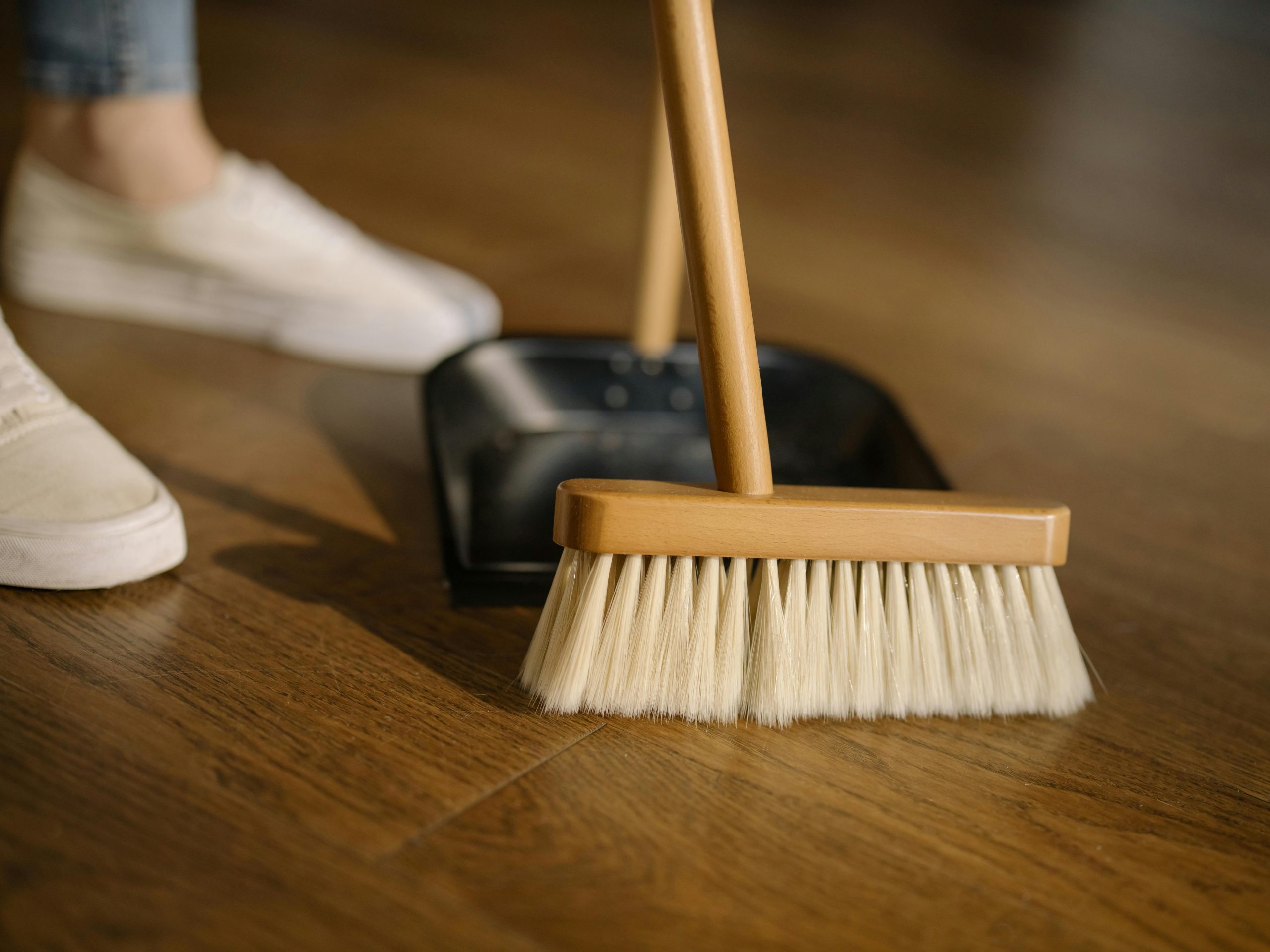
One of the most overlooked reasons wood floors become slippery is improper cleaning. Many floor cleaners promise shine, but that shine often comes from residue that makes floors slick.
The best way to clean wood floors is to use gentle methods that remove dirt without leaving anything behind. Overcleaning or using the wrong products can make floors more slippery instead of safer.
What to Avoid When Cleaning
- Oil-based polishes that leave a slick coating
- Wax products not designed for modern finishes
- Excess water or steam mops
- All-purpose cleaners that aren’t wood-safe
These products may make floors look shiny at first, but they often create a film that reduces traction.
Better Cleaning Practices
- Use a microfiber dust mop daily or every few days
- Vacuum weekly using a hardwood-safe setting
- Damp mop only when needed, never soaking the floor
- Choose a pH-neutral, residue-free wood floor cleaner
Clean floors have better traction than dirty ones. Dust, pet hair, and fine grit can act like ball bearings under your feet, increasing the risk of slipping.
Reduce Slipperiness by Removing Cleaner Buildup
If your floors already feel slippery, residue buildup may be the main issue. This is common in homes where polish or shine-enhancing cleaners have been used regularly.
Signs of buildup include:
- Floors that feel slick even when dry
- Visible streaks or cloudy areas
- Slipperiness that gets worse after cleaning
How to Remove Residue Safely
- Mix warm water with a small amount of wood-safe cleaner
- Use a slightly damp microfiber mop
- Mop in sections, rinsing the mop frequently
- Dry the floor immediately with a clean towel
In some cases, you may need a manufacturer-approved cleaner designed to remove polish buildup. Always test in a small area first.
Once residue is removed, many homeowners notice an immediate improvement in traction.
Choose the Right Finish for Better Traction
The type of finish on your wood floors plays a major role in how slippery they feel. Glossy finishes reflect light beautifully, but they also create the smoothest surface.
Finish Options and Slip Resistance
- High-gloss finish: Most slippery, shows scratches easily
- Semi-gloss finish: Moderate shine and moderate traction
- Satin finish: Lower shine with better grip
- Matte finish: Least slippery and most forgiving
If your floors are due for refinishing, switching to a satin or matte finish is one of the most effective long-term ways to reduce slipperiness.
Lower-sheen finishes also hide dust, footprints, and minor scratches better, making them a practical choice for busy households.
Add Area Rugs and Runners Strategically
Rugs are one of the simplest and most effective ways to make wood floors less slippery, especially in high-traffic areas.
Best Places for Rugs
- Entryways and hallways
- In front of sinks and kitchen work areas
- Stair landings
- Beside beds and seating areas
Tips for Safe Rug Use
- Use non-slip rug pads underneath
- Choose low-pile rugs to reduce tripping hazards
- Avoid rugs with curled edges
- Make sure rugs lay completely flat
Rugs not only improve traction but also protect wood floors from wear in areas that see frequent foot traffic.
Improve Traction With Non-Slip Treatments
If rugs and cleaning adjustments aren’t enough, there are products designed specifically to increase traction on wood floors.
Non-Slip Floor Treatments
- Anti-slip floor sprays or coatings
- Clear traction-enhancing finishes
- Additives mixed into floor polish (used sparingly)
These products create a microscopic texture on the surface that improves grip without changing the look of the floor significantly.
Important Considerations
- Always choose products labeled safe for wood floors
- Avoid heavy coatings that alter the finish permanently
- Test in a small, hidden area first
Non-slip treatments are especially helpful in homes with seniors, pets, or children.
Control Moisture and Humidity
Moisture plays a big role in floor safety. Even a small amount of water on wood floors can make them dangerously slippery.
Ways Moisture Increases Slipping
- Wet footprints from bathrooms or outdoors
- High indoor humidity
- Over-mopping or slow drying
- Condensation near doors and windows
Moisture Control Tips
- Wipe up spills immediately
- Place mats near entrances and bathrooms
- Use a dehumidifier if humidity is high
- Dry floors thoroughly after cleaning
Keeping wood floors dry not only improves traction but also protects against warping and long-term damage.
Make Wood Floors Safer for Pets
Pets, especially dogs, often struggle with slippery wood floors. You may notice your pet slipping, hesitating to walk, or avoiding certain areas.
Signs Your Pet Needs More Traction
- Difficulty standing up
- Sliding when running or turning
- Nail clicking with little grip
- Anxiety on smooth surfaces
Pet-Friendly Solutions
- Area rugs along walking paths
- Non-slip paw wax (temporary traction)
- Nail trimming to improve contact
- Floor runners in hallways
Helping pets feel secure on wood floors reduces injury risk and improves their confidence around the home.
Address Slippery Stairs Immediately
Wood stairs are one of the most dangerous areas when it comes to slipping. A fall on stairs can lead to serious injury.
Ways to Make Wood Stairs Less Slippery
- Install non-slip stair treads
- Use carpet runners secured properly
- Apply clear anti-slip stair coatings
- Keep stairs free of dust and debris
Stair safety should be a top priority in any home with wood flooring.
Wear the Right Footwear Indoors
Footwear—or lack of it—can greatly affect how slippery wood floors feel.
Slippery Footwear to Avoid
- Socks without grips
- Smooth-soled slippers
- Bare feet on glossy floors
Safer Indoor Options
- Grip socks with rubber soles
- Slippers with non-slip bottoms
- Bare feet on matte or satin finishes
Small changes in footwear can significantly reduce slipping, especially during colder months when socks are common.
Consider Professional Refinishing or Evaluation
If slipperiness persists despite your efforts, it may be time to consult a professional. An experienced flooring specialist can evaluate your finish and recommend safe solutions.
Professionals can:
- Remove buildup properly
- Recoat floors with a lower-sheen finish
- Apply traction-enhancing treatments
- Identify wear patterns causing uneven grip
This option is especially useful for older floors or homes with ongoing safety concerns.
Long-Term Habits That Keep Wood Floors Safer
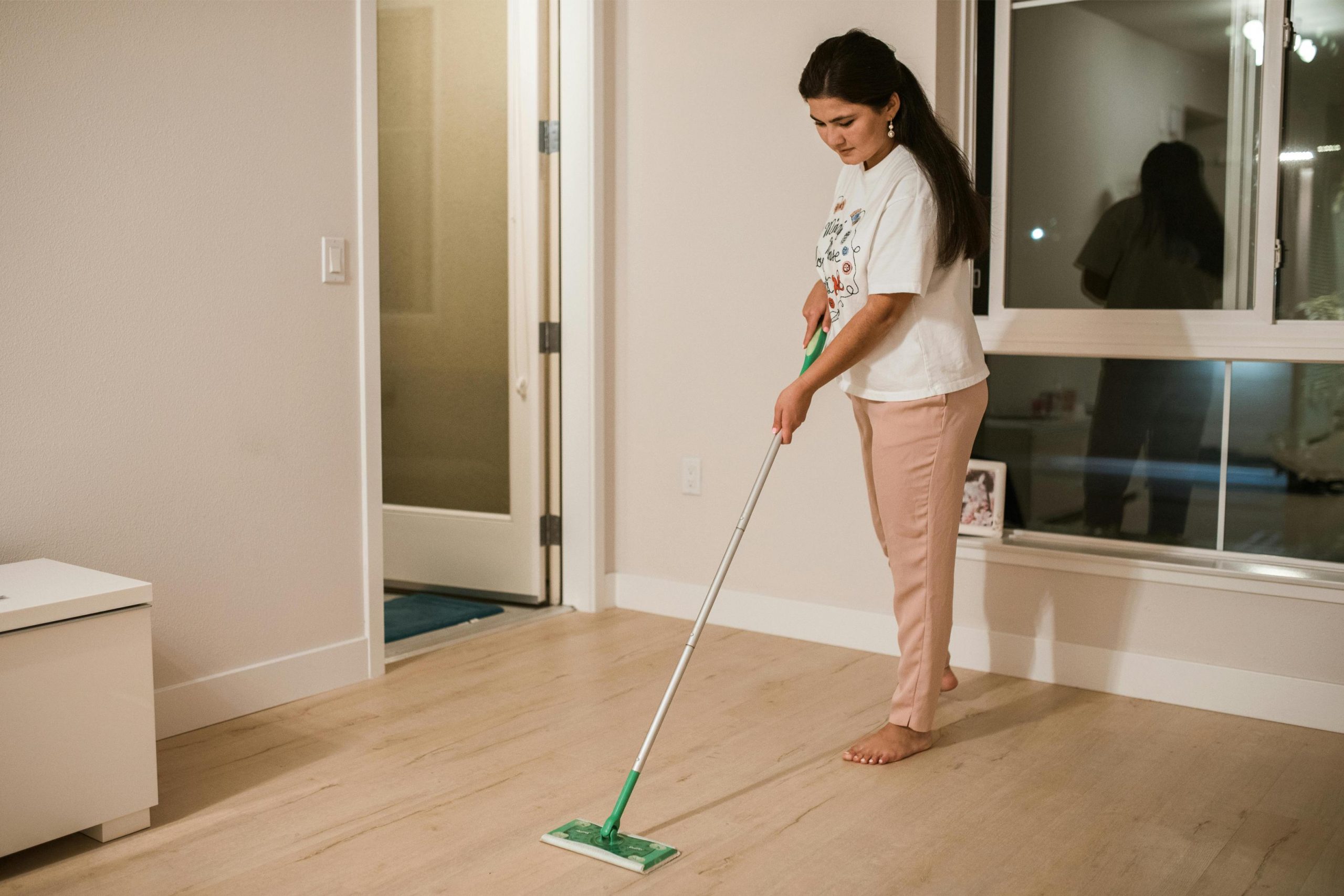
Once you’ve reduced slipperiness, consistent habits help maintain traction over time.
Smart Maintenance Practices
- Clean regularly without overdoing it
- Avoid shine-enhancing products
- Inspect floors seasonally
- Refresh rugs and pads as needed
Small, consistent actions prevent the return of slippery conditions.
Common Myths About Slippery Wood Floors
There are several misconceptions that can lead homeowners to make floors more slippery by mistake.
Myths to Avoid
- “More shine means cleaner floors”
- “Wax is always good for wood floors”
- “Steam cleaning is safe for all floors”
In reality, less shine and gentler care usually result in safer, longer-lasting wood floors.
Final Thoughts: Safety and Beauty Can Coexist
Wood floors don’t have to be slippery to be beautiful. In fact, many of the safest solutions—like proper cleaning, matte finishes, and strategic rug placement—also help floors look better and last longer.
By understanding why floors become slippery and taking thoughtful steps to improve traction, you can create a home that’s both elegant and safe. From adjusting cleaning habits to choosing the right finishes and accessories, there are solutions for every home and budget.
The key is balance: gentle care, minimal residue, controlled moisture, and smart design choices. With the right approach, your wood floors can remain a stunning feature of your home—without the risk of slips and falls.