How to Increase Home Value Before Selling
Selling a home is rarely just about putting a sign in the yard and waiting for offers. Buyers today are cautious, informed, and quick to move on from properties that show signs of neglect. At the same time, homeowners often feel overwhelmed trying to decide which upgrades are actually worth the investment.
The key is not to renovate everything. It’s to make smart, strategic improvements that build buyer confidence, reduce perceived risk, and lower the long-term cost of ownership. When buyers believe a home will be efficient, durable, and well-maintained, they’re more willing to pay a premium.
Below, you’ll find practical, actionable ways to increase your home’s value before selling—without wasting money on unnecessary projects.
Start With a Pre-Listing Home Health Assessment

Before you paint a single wall or replace a single fixture, take a step back and look at your home the way an inspector would.
That means deliberately shifting your perspective. Instead of seeing memories and decor, look for risk, wear, and deferred maintenance. Inspectors are trained to notice patterns—small visual clues that may signal deeper concerns. A faint ceiling stain. A slightly soft cabinet base. A loose fixture. None of these automatically means major damage, but they prompt questions.
Ask yourself:
- If I were buying this home today, what would make me hesitate?
- What areas would I inspect more closely?
- Where does the home show its age most clearly?
Many sellers skip this step and end up blindsided during escrow. A buyer’s inspection report uncovers issues, negotiations begin, and suddenly the deal feels shaky. What felt like a strong offer becomes a back-and-forth discussion about credits and repairs.
A pre-listing assessment gives you control because it allows you to:
- Fix issues on your own timeline
- Compare repair quotes calmly
- Avoid rushed, premium-priced emergency work
- Present documentation that builds buyer confidence
Begin with core systems—especially plumbing. Slow drains, inconsistent water pressure, or subtle leaks can quietly undermine a sale. These aren’t flashy upgrades, but they directly influence how buyers perceive maintenance.
Hiring licensed plumbers to evaluate supply lines, shutoff valves, and visible piping can uncover small issues before they become major objections. Plumbing concerns tend to escalate emotionally during inspections because buyers immediately imagine hidden moisture, mold, or structural damage.
Pay close attention to warning signs such as:
- Gurgling drains
- Water pressure that fluctuates
- Minor drips under sinks
- Rust-colored water when faucets first turn on
- Loose or corroded shutoff valves
For example, imagine a buyer walking through your home, loving the layout, and then noticing a damp cabinet under the kitchen sink. Even if it’s minor, their trust drops instantly. They start wondering:
- Has this leak been ongoing?
- Is there hidden damage behind the wall?
- What else hasn’t been maintained?
That brief moment of doubt can influence the rest of their experience in the home.
Instead of guessing, take these proactive steps:
- Check for dripping faucets or running toilets
- Inspect exposed pipes for corrosion
- Test water pressure in showers and sinks
- Look for signs of previous leaks under cabinets
Then go further. Inspect areas buyers may not notice immediately, but inspectors absolutely will:
- Look around the water heater for rust or pooling
- Check ceilings beneath bathrooms for discoloration
- Ensure shutoff valves turn smoothly
- Confirm outdoor hose bibs don’t leak
If plumbers identify aging fixtures or hidden issues, repair them now. It’s almost always cheaper and less stressful than negotiating credits later. When work is completed before listing, you can provide receipts and a clear repair history, which shifts the conversation from uncertainty to reassurance.
There’s also a psychological benefit. When you know your core systems have been evaluated and addressed, you show the home differently. You don’t tense up when buyers run faucets. You don’t worry about what an inspector might find.
This stage isn’t glamorous—but it builds the foundation for everything else. Cosmetic updates attract attention. Solid systems close deals.
Eliminate Signs of Moisture or Structural Damage
Water damage is one of the fastest ways to scare off buyers. Even faint stains on ceilings or a musty basement smell can raise immediate concerns.
This section is about confronting moisture issues honestly—not covering them up.
If you’ve ever walked into a home with warped baseboards or bubbling paint, you know how quickly doubt creeps in. Buyers think about mold, structural decay, and expensive repairs.
Start by inspecting:
- Basement corners
- Attic insulation
- Window frames
- Around tubs and showers
- Under sinks
If damage exists, invest in professional water damage cleanup rather than cosmetic fixes. Replacing drywall without addressing the source won’t hold up under inspection. Professional remediation ensures hidden moisture is removed, affected materials are properly replaced, and documentation can be provided to buyers.
One homeowner I worked with had minor basement seepage during heavy rains. Instead of ignoring it, they repaired grading, sealed cracks, and completed thorough water damage cleanup. During showings, they confidently explained the fix, and buyers responded positively because the issue was resolved transparently.
Clean, dry spaces create trust. Trust increases offers.
Strengthen the Roof and Reinforce Buyer Confidence
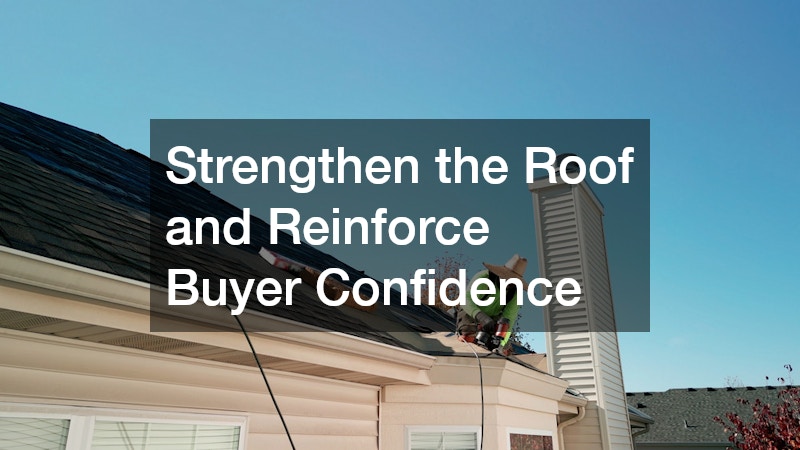
The roof is one of the first things appraisers and inspectors evaluate. If it looks worn, buyers immediately calculate replacement costs and mentally subtract that amount from your asking price.
Start with an inspection by reputable local roofers. Even if your roof isn’t new, small improvements can extend its lifespan and improve its appearance.
Depending on the condition, you might:
- Replace missing or damaged shingles
- Repair flashing around chimneys and vents
- Seal minor leak points
- Clean visible moss or debris
In some cases, applying roof coatings can add years of life while improving energy efficiency. These coatings reflect sunlight, reduce attic heat, and help regulate indoor temperatures—features buyers increasingly value because they reduce monthly utility bills.
Picture a buyer comparing two similar homes. One has a visibly aged roof with no recent work. The other has documentation showing inspection, minor repairs, and protective roof coatings applied within the past year. Which one feels safer?
You don’t always need a full replacement. You need reassurance.
Evaluate Long-Term Roofing Upgrades
If your roof is near the end of its life, replacement may actually boost your return. While it’s a bigger investment, it removes one of the largest objections buyers typically have.
Some homeowners explore upgrading to metal roofing before selling. A reputable metal roofing service can explain the longevity and energy-saving benefits. Metal roofs often last decades longer than asphalt and reflect heat more effectively, lowering cooling costs in warmer climates.
From a buyer’s perspective, this translates to:
- Lower maintenance expectations
- Improved durability in storms
- Better energy efficiency
- Possible insurance savings
Of course, not every seller should replace a roof. If you plan to sell within weeks and your current roof still has several years of life, targeted repairs may be sufficient.
But when the numbers make sense, upgrading can dramatically improve perceived value.
Refresh the Exterior for Immediate Curb Appeal
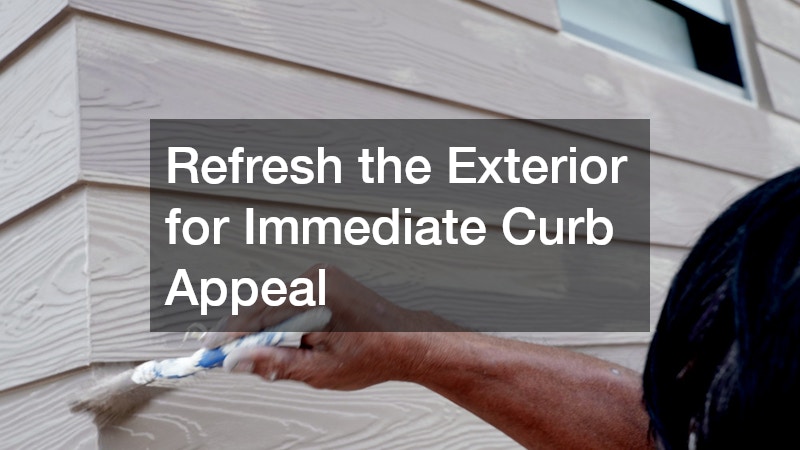
Curb appeal shapes first impressions before buyers even step inside. Faded or damaged siding suggests neglect—even if the interior is immaculate.
Walk across the street and look at your home objectively. Does it appear fresh? Or tired?
If panels are cracked or warped, consult a reliable siding supplier to explore durable, modern materials. Today’s options offer improved insulation and lower maintenance, which appeals to energy-conscious buyers.
You don’t necessarily need a full replacement. Sometimes, selective panel swaps, cleaning, and repainting make a noticeable difference.
Other impactful updates include:
- Power washing exterior walls
- Updating house numbers and the mailbox
- Cleaning gutters
- Repairing trim
A clean, well-maintained exterior signals pride of ownership. Buyers associate that pride with fewer hidden problems.
Address Landscaping Hazards and Improve Safety
Overgrown landscaping may feel harmless, but it can raise practical concerns.
Large branches hanging over the roof create a risk. Roots creeping toward the foundation cause anxiety. Dense trees blocking sunlight can make interiors feel darker and colder.
Professional tree trimming improves both safety and aesthetics. It allows more natural light, reduces debris buildup on the roof, and creates a cleaner silhouette.
In more serious cases, hiring a tree removal service may be necessary if a tree threatens the structure or foundation. While removal can be an investment, buyers appreciate the absence of looming hazards.
Think about how a yard feels when it’s open, trimmed, and balanced compared to one that feels crowded and unmanaged. The difference affects emotional response, and emotional response influences offers.
Well-maintained landscaping subtly suggests lower ongoing maintenance costs.
Protect the Home From Pest Damage

Nothing unsettles a buyer like the word “termites.”
Even minor wood damage can derail negotiations. Scheduling a pre-listing pest inspection gives you clarity and time to act.
If activity is detected, invest in professional termite treatment immediately. Provide documentation of treatment and warranties to prospective buyers.
From a buyer’s standpoint, knowing a home has recently undergone termite treatment and passed inspection reduces fear of hidden structural damage.
Addressing this proactively avoids last-minute panic and reinforces that the property has been responsibly maintained.
It also prevents the emotional spiral that often happens once termites are mentioned during escrow. Buyers may begin to question floor stability, framing integrity, or long-term repair costs—even if the damage was limited and fully resolved. By handling the issue upfront, you control the narrative. Instead of reacting defensively to inspection findings, you can confidently explain what was found, how it was treated, and what protections are now in place. That level of transparency builds trust, shortens negotiations, and keeps momentum on your side.
Improve Water Quality and Modernize Systems
Buyers don’t always think about water quality during a showing—but they notice it subconsciously.
Hard water stains, mineral buildup, and unpleasant taste leave impressions. Installing a modern water refiner can improve water clarity and protect appliances from scale buildup.
Benefits you can highlight include:
- Extended lifespan of dishwashers and washing machines
- Cleaner glass and fixtures
- Softer-feeling showers
- Lower maintenance costs over time
While not every buyer will prioritize this feature, those who do often see it as a premium addition—especially in areas with known water quality challenges.
Modernizing systems shows attention to both comfort and efficiency.
Improve Energy Efficiency Buyers Notice Immediately

Energy efficiency has shifted from “nice to have” to “expected.” Rising utility costs have made monthly expenses a primary concern for many buyers.
Unlike flashy remodels, efficiency upgrades often operate quietly in the background. But they influence comfort and cost every single day.
Focus on improvements such as:
- Sealing gaps around doors and windows
- Adding attic insulation
- Installing programmable or smart thermostats
- Replacing outdated lighting with LED fixtures
These updates may not transform your listing photos—but they absolutely influence decision-making.
Consider a young family calculating mortgage payments alongside heating and cooling bills. A well-insulated, sealed home with updated systems feels financially safer.
Efficiency equals affordability.
Make Strategic Interior Updates With High Return
Interior updates should feel intentional—not trendy.
Neutral paint colors create a blank canvas for buyers. Fresh, modern hardware on cabinets can transform kitchens without requiring full renovations. Refinishing hardwood floors often yields strong returns because it restores natural beauty at a fraction of replacement cost.
Bathrooms deserve special attention. Replacing dated fixtures, improving lighting, and deep-cleaning grout can make a space feel new.
One seller replaced only cabinet hardware, repainted walls, and upgraded light fixtures throughout the home. The result? A brighter, more cohesive feel—without major structural changes.
Avoid over personalized choices. You’re preparing a space for someone else’s life, not redesigning it for your own.
Organize Documentation and Justify Your Price

After completing improvements, gather every receipt, warranty, and inspection report.
Create a simple summary sheet outlining:
- Dates of recent repairs
- System upgrades
- Inspection results
- Contractor information
When buyers see organized documentation, they interpret it as care and transparency.
This final step often separates average sales from strong ones. You’re not just listing features—you’re proving value.
Position Your Home as a Smart, Low-Risk Investment
At the end of the day, buyers aren’t just purchasing square footage. They’re investing in stability, predictability, and manageable monthly costs.
When you address structural concerns, improve efficiency, resolve hidden issues, and document upgrades clearly, you reduce uncertainty. And in real estate, lower uncertainty often translates directly into higher offers.
The most successful sellers think like buyers. They ask:
- Would I feel confident moving in tomorrow?
- Does this home look expensive to maintain?
- Are there obvious future repair costs looming?
By proactively answering those questions through thoughtful improvements, you shift your home from “needs work” to “well cared for.” That shift increases perceived value far more effectively than cosmetic upgrades alone.
Strategic preparation doesn’t just help your home sell faster — it helps it sell stronger.