
Preparing Your Home for Sale With Strategic Renovations
Selling a home is not just about putting a sign in the yard and waiting for the right offer. Buyers form opinions quickly, often within the first few minutes of walking through the front door or scrolling through listing photos. They notice how the home feels, how well it appears to have been maintained, and whether small issues suggest bigger problems beneath the surface.
Strategic renovations help sellers focus their time and money where it matters most. That does not always mean choosing the most expensive upgrades. In many cases, the smartest pre-sale improvements are practical repairs that remove buyer hesitation. A clean, functional, well-cared-for home gives people fewer reasons to negotiate aggressively or keep looking.
The goal is to make the property feel move-in ready without over-improving it for the neighborhood. A seller may not need a full kitchen remodel or luxury bathroom update. Instead, the better investment might be fixing worn surfaces, correcting visible defects, improving comfort, and making sure the home photographs well.
Identifying Exterior Issues That Shape First Impressions
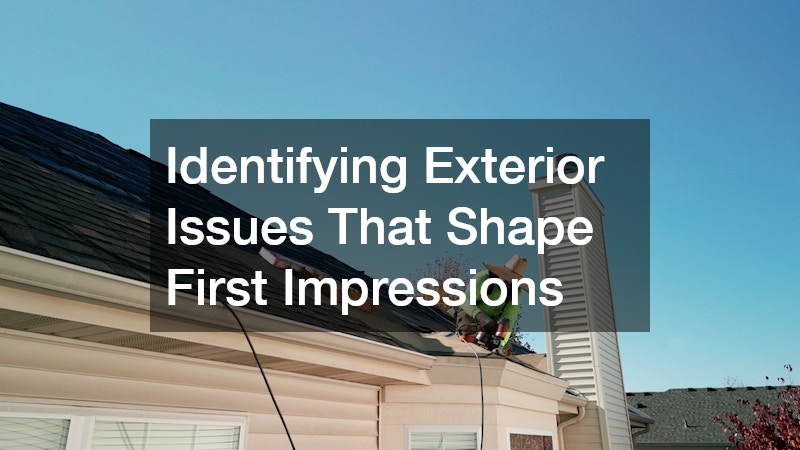
Curb appeal is often discussed as if it only means flowers, mulch, and a freshly painted front door. Those details matter, but buyers also look for signs that the exterior has been properly maintained. Cracks, stains, sagging materials, and neglected drainage can create doubt before anyone steps inside.
A seller should begin with a slow walk around the property. This should not be a casual glance from the driveway. Look at the home from the sidewalk, the street, the side yard, and the backyard. Notice what a buyer or home inspector might see. Are there cracks in the exterior finish? Are there water stains near the foundation? Do downspouts drain properly?
For homes with exterior wall damage, hiring a stucco repair contractor can help restore a cleaner, more consistent appearance. Even small cracks may raise questions about water intrusion or long-term maintenance, especially in markets where exterior finishes take a beating from heat, rain, or shifting temperatures.
Drainage is another area sellers should not overlook. Gutter repair may not sound exciting, but it can matter more than a decorative upgrade. Loose, clogged, leaking, or poorly pitched gutters can send water toward siding, fascia, landscaping, or the foundation. Buyers may not know every technical detail, but they understand that uncontrolled water is rarely a good sign.
A simple exterior checklist can help sellers stay focused:
- Check walls, trim, and exterior finishes for cracks or staining.
- Make sure gutters and downspouts are secure and draining away from the home.
- Remove debris from rooflines, walkways, and entry areas.
- Touch up visible wear that affects the home’s first impression.
- Take photos from the buyer’s point of view to spot overlooked flaws.
The exterior does not need to look brand new. It needs to look cared for, stable, and ready for the next owner.
Improving Comfort Through Essential System Fixes
Buyers may be drawn in by style, but they often make decisions based on comfort and confidence. If the home feels stuffy, unevenly heated, or poorly maintained, they may start wondering what else has been neglected. Mechanical issues can also become sticking points during inspection, especially when buyers are already stretching their budget.
Before listing, sellers should pay attention to how the home feels during a normal day. Are some rooms noticeably warmer or cooler than others? Does the system struggle to keep up? Are there strange noises, musty odors, or weak airflow? These issues may seem minor to someone who has lived with them for years, but they can stand out quickly to a buyer.
Scheduling heating repairs before listing can prevent last-minute problems. A system that runs properly gives buyers reassurance, especially if the sale happens during colder months. It also helps avoid a situation where an inspector flags an issue that could have been fixed earlier.
Airflow also deserves attention. Air duct repair may be worth considering if ducts are damaged, disconnected, leaking, or contributing to inconsistent comfort. Buyers may not see the ductwork, but they can feel the results. A room that never seems comfortable can make the whole home feel less functional.
A family touring the home may not ask about duct performance, but they will notice a bedroom that feels colder than the rest of the house. A remote worker may picture long days in a home office and wonder whether the temperature will be comfortable. These impressions shape value in subtle ways.
Solving Moisture Problems Before They Raise Concerns

Few things worry buyers faster than signs of moisture. A stain on a ceiling, a soft spot near a wall, a musty smell in a closet, or bubbling paint near a window can make people imagine expensive hidden damage. Even if the problem has already been stopped, visible evidence can still hurt buyer confidence.
Water damage repair should be handled before photos, showings, and inspections whenever possible. This may include replacing damaged drywall, correcting stained areas, addressing warped trim, or repairing flooring affected by past leaks. The key is not just cosmetic improvement. Sellers should make sure the original source of the moisture has been fixed as well.
For example, painting over a stain without resolving the leak behind it can backfire. An inspector may still detect moisture, or the stain may return before closing. Buyers tend to respond better when sellers can explain what happened, what was repaired, and how the issue was corrected.
Homes with pools require an extra layer of attention. Even a beautiful pool can become a concern if water levels seem inconsistent or surrounding surfaces show unexplained dampness. Pool leak detections can help identify hidden problems before a buyer asks hard questions or an inspection creates delays.
A buyer may fall in love with the backyard, start picturing summer weekends by the water, and then notice a damp area near the pool equipment. Suddenly, the pool shifts from a lifestyle feature to a possible expense. Addressing issues early protects the value of that feature.
Refreshing Outdoor Features That Support Everyday Living
Outdoor areas can make a home feel larger, more useful, and more enjoyable. Buyers often imagine how they would live in the space: morning coffee on the patio, kids playing in the yard, guests gathering on weekends, or quiet evenings after work. Strategic improvements should help those areas feel usable rather than high-maintenance.
If the home has a pool, sellers should evaluate both appearance and function. A pool contractor may help with resurfacing concerns, equipment issues, tile repairs, or cosmetic updates that make the area more inviting. The goal does not have to be a full backyard transformation. Sometimes the best move is making the pool look clean, safe, and easy to enjoy.
The garage is another practical feature that can influence buyer perception. Garage door repair can improve curb appeal, security, and daily convenience. A noisy, dented, stuck, or unreliable door may seem minor, but it can send the wrong message. Since many buyers enter the home through the garage during everyday life, this area should feel functional and well maintained.
Instead of approaching outdoor improvements as decoration only, sellers should ask what makes the home easier to live in. Does the gate open smoothly? Is the patio clean and stable? Are exterior lights working? Does the backyard feel ready to use, or does it look like a project?
A few targeted improvements can make a strong difference:
- Repair functional items first, especially anything buyers will touch or operate.
- Clean and simplify outdoor areas so they photograph well.
- Remove broken furniture, rusted fixtures, and clutter.
- Make sure walkways, steps, and doors feel safe and sturdy.
- Highlight lifestyle features without making them look expensive to maintain.
Restoring Interior Surfaces That Influence Buyer Confidence

Inside the home, buyers tend to notice surfaces before systems. Flooring, walls, ceilings, doors, and trim shape the emotional reaction to a space. When those surfaces look worn, buyers may assume the home needs more work than it actually does.
Flooring is especially important because it affects every room. Stained, rippled, torn, or loose carpet can make a home feel older and less clean. In some cases, a carpet repair service can correct localized damage without replacing all the flooring. This can be useful when the carpet is generally in good condition but has a damaged seam, small burn, pet-related issue, or stretched area.
Sellers should be careful, though. If carpet is heavily worn throughout the home, repair may not be enough. The decision should be based on what buyers will see and how the flooring compares to nearby listings. Sometimes a deep cleaning and small repair are sufficient. Other times, replacement in one or two key rooms may make more sense.
The roof also plays a major role in buyer confidence. Residential roof repairs can help resolve missing shingles, flashing issues, minor leaks, damaged vents, or other concerns before inspection. A roof problem can quickly become a negotiation tool, even when the issue is manageable. Buyers may overestimate the cost or worry that the damage is worse than it appears.
Interior surfaces tell a story. A ceiling stain may point back to an old roof issue. A worn hallway carpet may suggest years of heavy use. Scuffed trim may make buyers wonder whether the home has been maintained carefully. Sellers do not need to erase every sign of life, but they should remove distractions that make the home feel neglected.
Prioritizing Updates That Protect the Sale Price
Not every renovation is worth doing before selling. Some projects cost too much, take too long, or reflect personal taste rather than broad buyer appeal. Strategic renovation means choosing work that supports marketability, reduces objections, and protects the expected sale price.
The first step is understanding the likely buyer. A starter home, luxury property, investment rental, and family home may require different choices. Sellers should also compare their home to active and recently sold listings nearby. If similar homes have updated kitchens but older bathrooms, the seller may not need to renovate every space. If competing homes are clean and move-in ready, visible deferred maintenance becomes more damaging.
Budget should be divided into three categories: necessary repairs, presentation improvements, and optional upgrades. Necessary repairs include issues likely to appear during inspection or affect financing. Presentation improvements include paint, cleaning, landscaping, lighting, and minor surface fixes. Optional upgrades might include new fixtures, appliances, or design updates.
A practical renovation plan may look like this:
- First, fix issues that could stop or delay a sale.
- Next, address visible flaws that affect photos and showings.
- Then, improve simple features buyers interact with, such as doors, lights, hardware, and faucets.
- Finally, consider upgrades only if they clearly match the market.
Timing matters as much as budget. Sellers who wait until the last minute often make rushed decisions or pay more for quick scheduling. Starting early allows room for estimates, repairs, follow-up visits, and cleaning before listing photos are taken.
Staging Completed Improvements So Buyers Notice Them

Repairs and renovations work best when buyers can actually appreciate them. A newly repaired room can still feel unimpressive if it is cluttered, poorly lit, or crowded with furniture. Staging does not have to mean renting a house full of new pieces. It often means editing what is already there so the home’s strengths are easier to see.
After repairs are complete, sellers should look at each room with fresh eyes. A repaired wall should not be hidden behind clutter. A newly improved exterior area should not be blocked by old storage bins. Clean lines, open walking paths, and good lighting help buyers focus on the home rather than the seller’s belongings.
Listing photos deserve special attention. Many buyers decide whether to schedule a showing based on images alone. If renovations are not visible in photos, they may not generate the interest they should. Open blinds, replace burned-out bulbs, remove excess items from counters, and make sure each room has a clear purpose.
A home office should look like a calm workspace, not a storage room with a desk. A guest bedroom should feel usable, not like a place where extra furniture ended up. A patio should suggest relaxation, not unfinished chores. These small adjustments help buyers imagine living in the home.
Sellers should also share completed improvements with their real estate agent. A repaired system, corrected moisture issue, improved exterior feature, or refreshed interior surface may become part of the listing description or showing conversation.
Moving Toward a Stronger Listing With Confidence
Preparing a home for sale is about more than making it look nice. It is about reducing uncertainty, improving buyer trust, and helping the property compete in a crowded market. Strategic renovations allow sellers to focus on the repairs and updates most likely to affect real decisions.
The strongest pre-sale improvements are often practical. They address what buyers can see, feel, smell, operate, and question. They make the home easier to understand and easier to say yes to. A polished exterior, comfortable interior, dry and clean surfaces, functional outdoor features, and well-presented rooms all work together to support a stronger listing.
Sellers do not need to fix everything. They need to fix the right things. By starting early, setting priorities, documenting completed work, and presenting the home thoughtfully, homeowners can enter the market with fewer surprises and more confidence. In the end, a well-prepared home does not just attract attention. It gives buyers a reason to believe the property has been cared for and is ready for its next chapter.