The Best Way to Clean Wood Floors and Keep Them Looking New

Wood floors add warmth, beauty, and value to a home. But without proper care, they can quickly lose their shine, develop scratches, or even suffer permanent damage. Many homeowners clean their wood floors regularly but still struggle with dull surfaces, sticky residue, or visible wear. The truth is that cleaning wood floors requires a specific approach that balances effectiveness with protection.
This listicle breaks down the best way to clean wood floors into clear, practical steps you can follow at home. From daily habits to deep-cleaning techniques and common mistakes to avoid, each item explains what to do, why it matters, and how it protects your floors for the long term.
Whether you have solid hardwood, engineered wood, or older flooring, these tips will help you clean smarter—not harder—while preserving your floors for years to come.
1. Know What Type of Wood Floor You Have
Before you clean anything, you need to know what you’re working with. Not all wood floors are the same, and using the wrong method can damage the finish or the wood itself.
There are three common types of wood floors:
- Solid hardwood, made from one piece of wood
- Engineered wood, which has a wood veneer over layered materials
- Older or refinished floors, which may have worn or thinner finishes
Some floors have a protective polyurethane coating, while others use oil-based or wax finishes. Floors with a strong surface seal can handle light moisture, while older or waxed floors require extra care.
Understanding your floor type helps you:
- Choose the right cleaner
- Avoid excess water
- Prevent finish damage
If you’re unsure, test a small hidden area or check with the installer.
2. Sweep or Dust Daily to Prevent Scratches
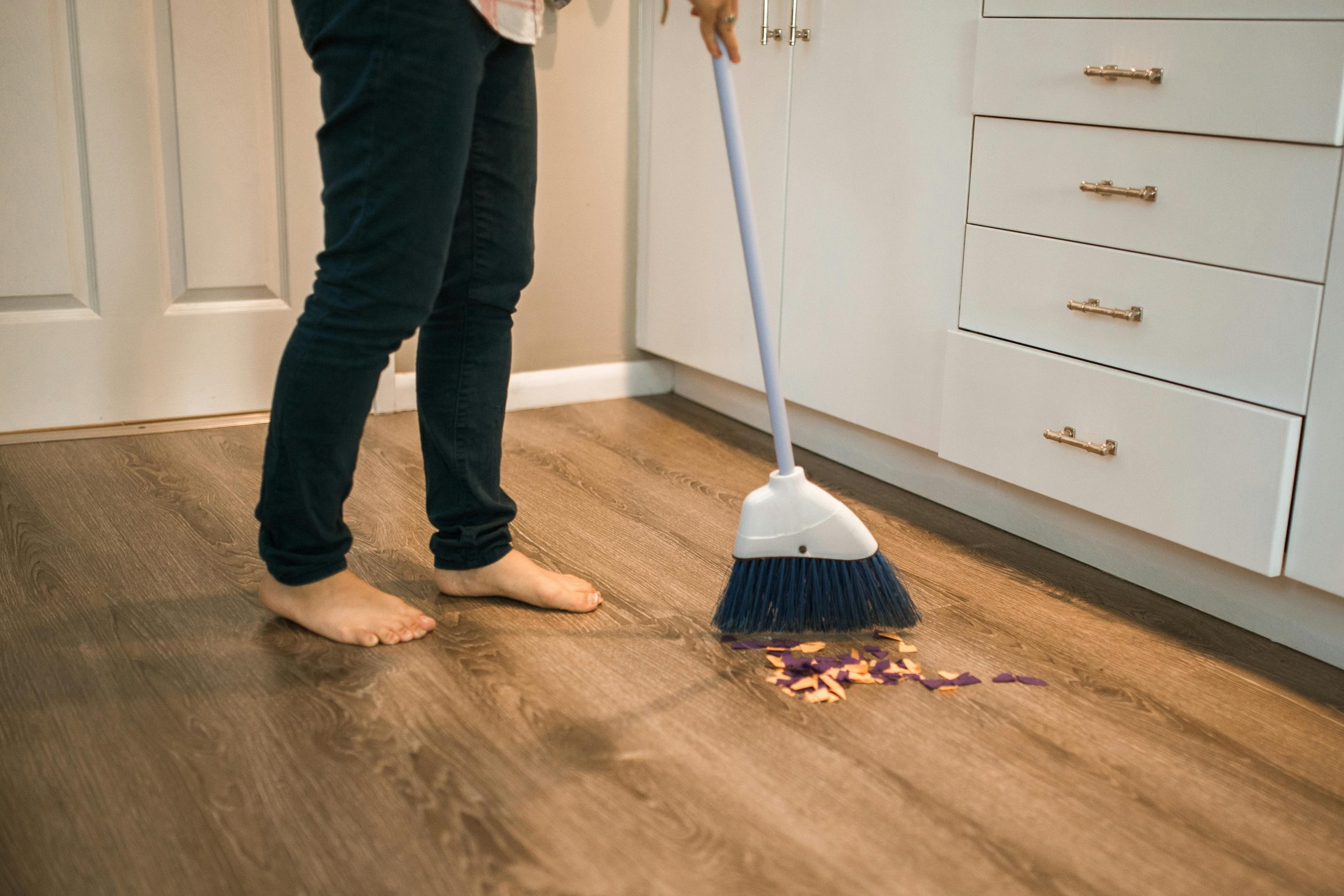
One of the easiest and most effective ways to protect wood floors is regular dry cleaning. Dirt, dust, and grit act like sandpaper when walked on, slowly scratching the surface over time.
Daily or frequent sweeping helps:
- Remove abrasive particles
- Keep floors looking clean
- Reduce the need for deep cleaning
Use tools designed for wood floors:
- Soft-bristle brooms
- Microfiber dust mops
- Hardwood-safe vacuum attachments
Avoid stiff brooms or vacuums with rotating brush rolls, as they can scratch the finish.
A few minutes of daily maintenance can save you from costly repairs later.
3. Vacuum the Right Way (Not All Vacuums Are Safe)
Vacuuming wood floors is helpful, but only if done correctly. Some vacuums are designed for carpet and can cause damage to wood.
When vacuuming wood floors:
- Turn off rotating brush rolls
- Use a hardwood or bare-floor setting
- Choose soft wheels to prevent scuffing
Vacuuming helps remove:
- Dust from corners and seams
- Pet hair that clings to boards
- Fine debris that sweeping misses
Vacuuming once or twice a week keeps floors cleaner and reduces buildup that can dull the finish.
4. Mop Only When Necessary (Less Is More)
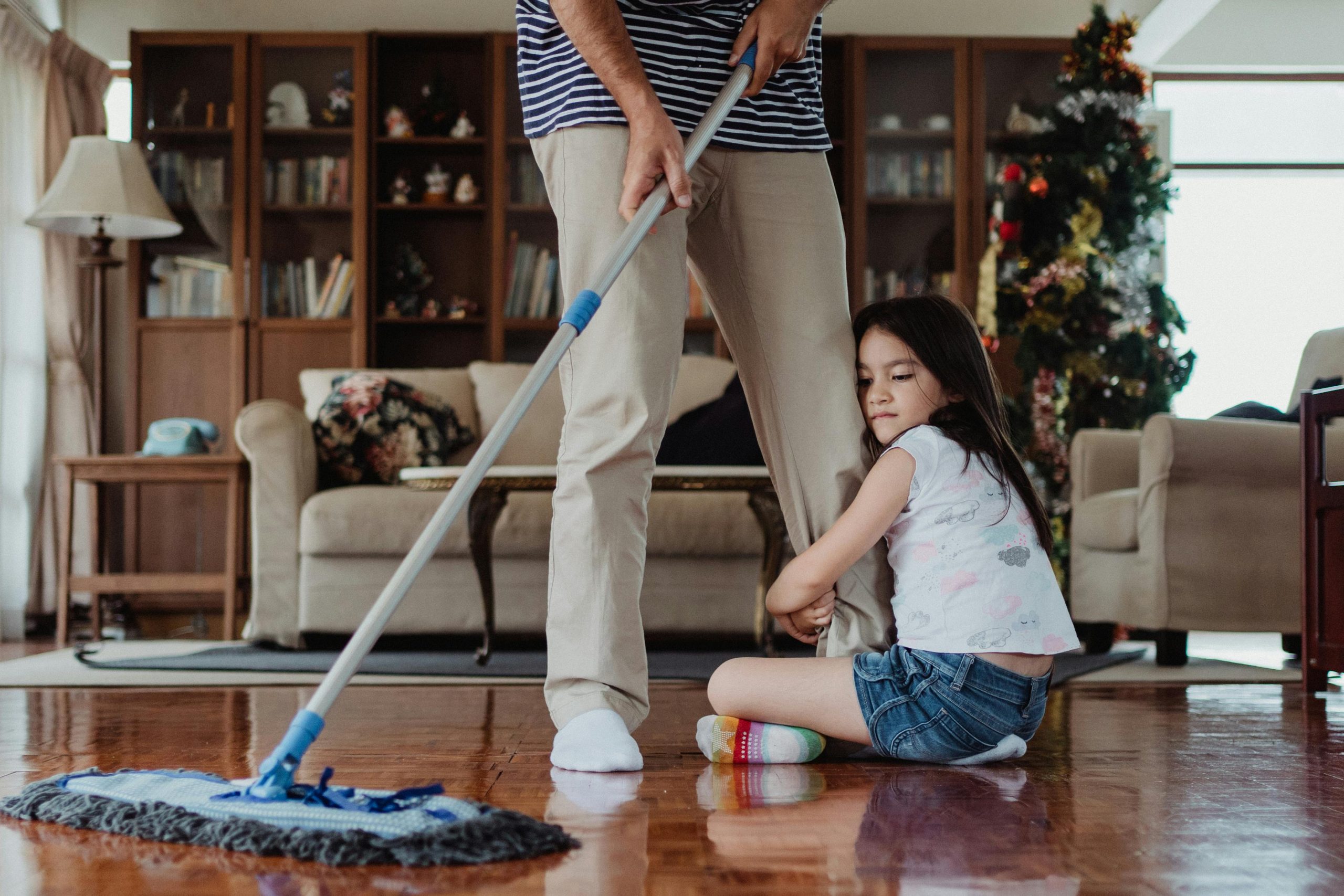
Many homeowners think mopping should be frequent, but too much moisture is one of the biggest threats to wood floors. Water can seep between boards, causing swelling, warping, or discoloration.
The best approach is damp mopping, not wet mopping.
Guidelines for safe mopping:
- Mop only when floors look dirty
- Use a lightly damp microfiber mop
- Never leave standing water
If water pools on the surface, you’re using too much. Floors should dry within a minute or two after mopping.
5. Choose a Cleaner Made Specifically for Wood Floors
Using the wrong cleaning product is a common mistake. Many household cleaners are too harsh for wood and can strip the finish or leave residue behind.
Avoid these products:
- Vinegar or lemon juice
- Ammonia-based cleaners
- Steam cleaners
- Abrasive powders
Instead, choose:
- pH-neutral hardwood floor cleaners
- Products labeled safe for wood floors
- Manufacturer-recommended solutions
Always follow label instructions and never mix cleaning products. When in doubt, use less cleaner rather than more.
6. Mix DIY Solutions Carefully (If You Choose to)
Some homeowners prefer DIY cleaning solutions, but caution is essential. While mild solutions can work, strong homemade mixtures can cause damage over time.
If using a DIY option:
- Use a small amount of gentle soap
- Mix with warm (not hot) water
- Wring mop until nearly dry
Test the solution in an inconspicuous area first. If the floor looks cloudy, sticky, or dull after drying, stop using it.
Commercial wood floor cleaners are generally safer and more consistent.
7. Clean Spills Immediately to Prevent Damage
Wood floors and moisture do not mix well. Spills should be cleaned as soon as they happen to avoid staining or warping.
Common spill risks include:
- Water near sinks and entryways
- Pet accidents
- Food and drink spills
Best practices:
- Blot spills with a soft cloth
- Dry the area completely
- Avoid rubbing aggressively
Quick action prevents moisture from soaking into seams and protects the floor’s structure.
8. Use Microfiber Mops for Best Results
Microfiber mops are one of the safest tools for wood floor cleaning. They trap dirt effectively without scratching and require less water than traditional mops.
Benefits of microfiber mops:
- Gentle on finishes
- Highly absorbent
- Easy to control moisture
Wash mop heads regularly without fabric softener, which can leave residue. A clean mop head ensures better cleaning and reduces streaking.
9. Protect High-Traffic Areas with Rugs and Mats
Prevention is a key part of keeping wood floors clean. Rugs and mats reduce dirt and moisture before they reach your floors.
Use rugs in:
- Entryways
- Hallways
- Kitchen work areas
Choose rugs with:
- Non-slip, breathable backings
- Materials that won’t trap moisture
- Regular cleaning schedules
Avoid rubber-backed mats, which can discolor wood over time.
10. Adjust Cleaning Based on Season and Weather
Your cleaning routine should change throughout the year. Seasonal conditions affect how much dirt, moisture, and debris enters your home.
Seasonal tips:
- Winter: Clean salt and snow residue quickly
- Spring: Increase cleaning due to pollen and mud
- Summer: Watch for humidity and moisture
- Fall: Remove leaves and grit frequently
Using a humidifier or dehumidifier helps keep wood stable and reduces cleaning challenges.
11. Avoid Steam Cleaners at All Costs
Steam cleaners may seem convenient, but they are harmful to wood floors. Steam forces moisture deep into seams and beneath finishes.
Risks of steam cleaning include:
- Warping
- Finish breakdown
- Long-term structural damage
Even floors labeled “sealed” are not safe for steam cleaning. Stick to gentle, moisture-controlled methods instead.
12. Buff Occasionally to Restore Shine
Over time, wood floors may lose their shine even if they are clean. Light buffing can restore luster without sanding.
Buffing helps:
- Smooth minor scuffs
- Refresh finish appearance
- Improve light reflection
Use a soft buffer or consult professionals for periodic maintenance. Avoid polishing too often, which can create buildup.
13. Watch for Residue Buildup
Sticky or cloudy floors are often a sign of cleaner residue. This happens when too much product is used or when floors aren’t rinsed properly.
Signs of residue:
- Dull appearance
- Sticky feel
- Footprint marks
To fix it:
- Damp mop with clean water
- Use minimal cleaner
- Switch to a residue-free product
Less product usually leads to better results.
14. Prevent Scratches with Furniture Pads
Furniture movement causes many floor scratches. Protective pads are an easy solution.
Best practices:
- Use felt pads under furniture legs
- Replace pads when worn
- Lift furniture instead of dragging
These small steps reduce damage and keep floors looking newer longer.
15. Establish a Simple, Consistent Cleaning Routine
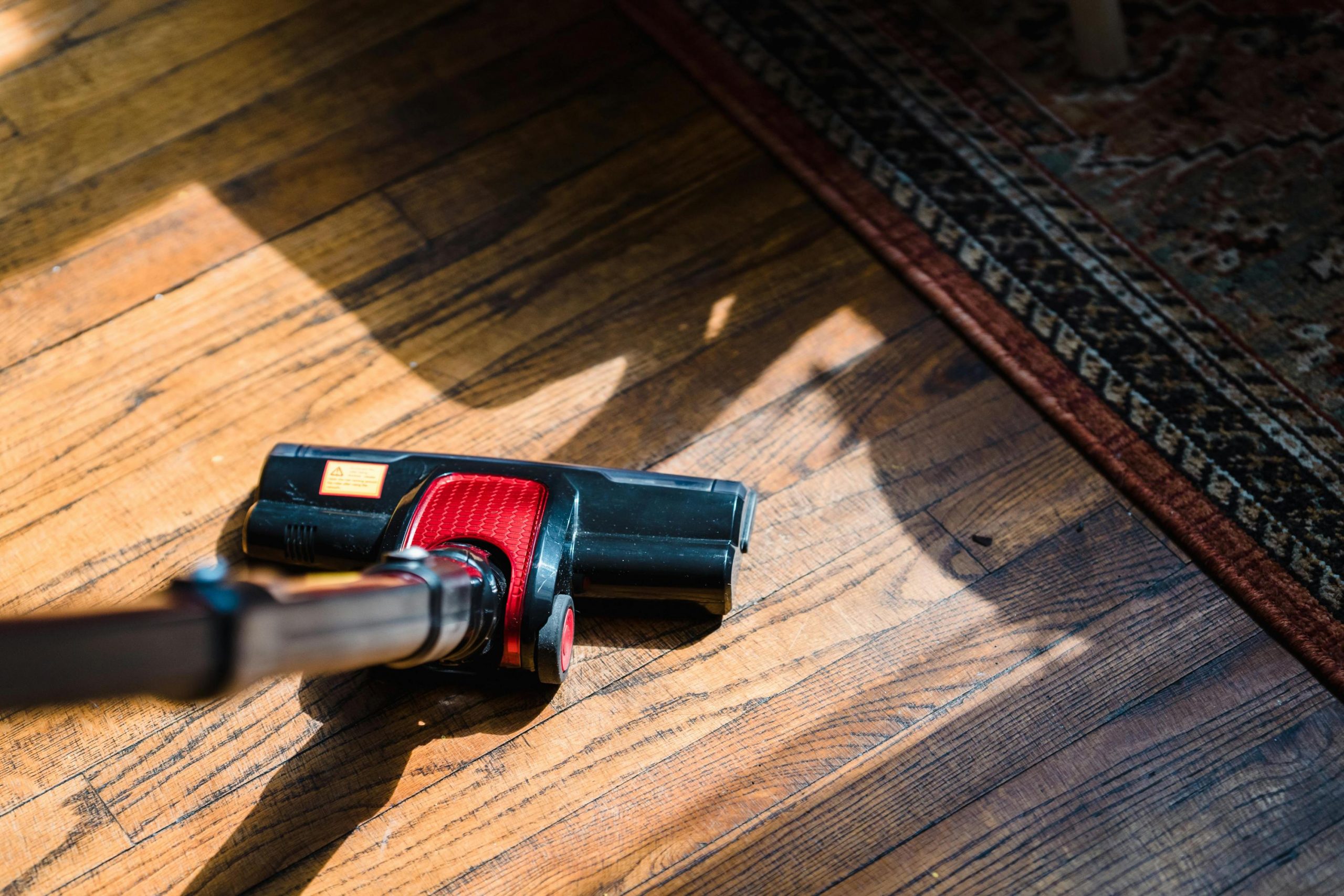
The best way to clean wood floors is through consistency rather than intensity. Regular, light maintenance prevents dirt, dust, and grit from building up and causing long-term damage to the floor’s surface. When cleaning is done routinely, there’s less need for heavy scrubbing or frequent deep cleaning, both of which can wear down the finish over time. A simple, predictable routine makes floor care easier to manage and helps preserve the natural beauty of the wood.
A practical wood floor cleaning routine may include:
- Daily sweeping or dust mopping to remove dirt and abrasive particles that can scratch the surface.
- Weekly vacuuming using a hardwood-safe setting to clean corners, seams, and high-traffic areas.
- Occasional damp mopping with a microfiber mop and a wood-safe cleaner to remove stuck-on grime without excess moisture.
- Seasonal inspections to check for wear, moisture issues, or changes caused by humidity and temperature shifts.
Sticking to this kind of routine protects your investment by extending the life of your wood floors while keeping them looking clean and polished. With consistent care, your floors stay attractive and durable without requiring a lot of time or effort.
Final Thoughts: The Best Way to Clean Wood Floors Is Gentle and Intentional
Wood floors are built to last, but their longevity depends on how well they are cared for over time. The best way to clean wood floors is not by using harsh chemicals, heavy water, or aggressive scrubbing. Instead, it’s about choosing gentle tools, limiting moisture exposure, and maintaining a consistent routine that prevents dirt and damage from building up. Small daily habits—like sweeping with a soft broom or using a microfiber mop—play a major role in preserving the floor’s finish and natural beauty.
By taking the time to understand your specific floor type, selecting cleaners made for wood surfaces, protecting high-traffic areas, and cleaning spills right away, you safeguard both the look and structure of your floors. These thoughtful actions reduce wear, prevent costly repairs, and keep your home feeling clean and welcoming. Well-maintained wood floors don’t just enhance appearance—they improve comfort, support long-term durability, and add lasting value to your home, making proper care a worthwhile investment.