The Best HVAC Techniques You Should Know
A reliable heating and cooling system helps keep a home comfortable throughout the year, but good performance depends on more than simply adjusting the thermostat. Homeowners can use several practical techniques to improve comfort, reduce unnecessary strain on equipment, and potentially lower energy use.
Understanding a few basic HVAC strategies can also make it easier to recognize when a system needs maintenance or professional attention. From changing filters to improving airflow, small adjustments can have a meaningful effect on how efficiently the system operates.
Replace Air Filters Regularly
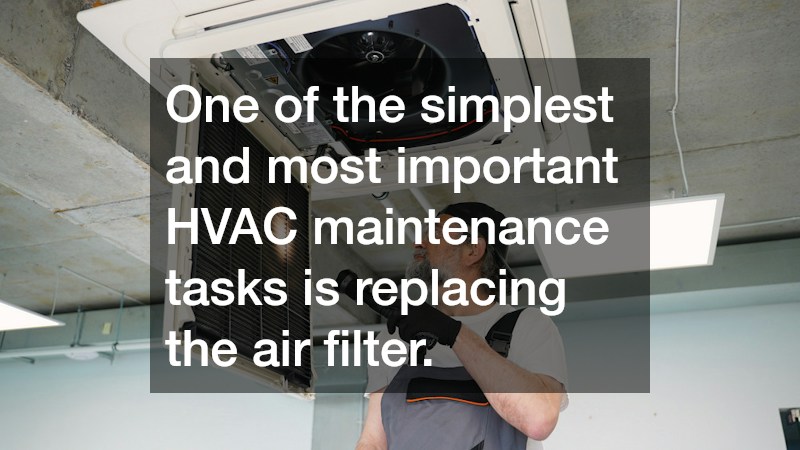
One of the simplest and most important HVAC maintenance tasks is replacing the air filter.
Filters capture dust, pollen, pet hair, and other airborne particles before they circulate through the system. As the filter becomes clogged, airflow may decrease.
Restricted airflow can force the system to work harder and may contribute to uneven temperatures or reduced performance.
Homeowners should inspect filters regularly and replace them according to the manufacturer’s recommendations. Homes with pets, smokers, or high levels of dust may require more frequent changes.
Keep Vents and Registers Open
Closing vents may seem like a good way to save energy in unused rooms, but it can sometimes disrupt airflow throughout the system.
Many HVAC systems are designed to move a certain amount of air through the ductwork. Closing too many vents can create pressure imbalances and make the system work harder.
Keep supply and return vents open unless a professional recommends otherwise.
Furniture, rugs, curtains, and other household items should also be kept away from vents so air can move freely.
Use the Thermostat Strategically
Thermostat settings can have a major effect on both comfort and energy use.
Instead of making extreme temperature changes, choose reasonable settings and allow the system to operate steadily.
Programmable and smart thermostats can help by automatically adjusting temperatures based on your daily schedule.
For example, the system may reduce heating or cooling while the home is empty and return to a more comfortable setting before occupants arrive.
Avoid constantly changing the thermostat, as frequent adjustments may cause unnecessary system cycling.
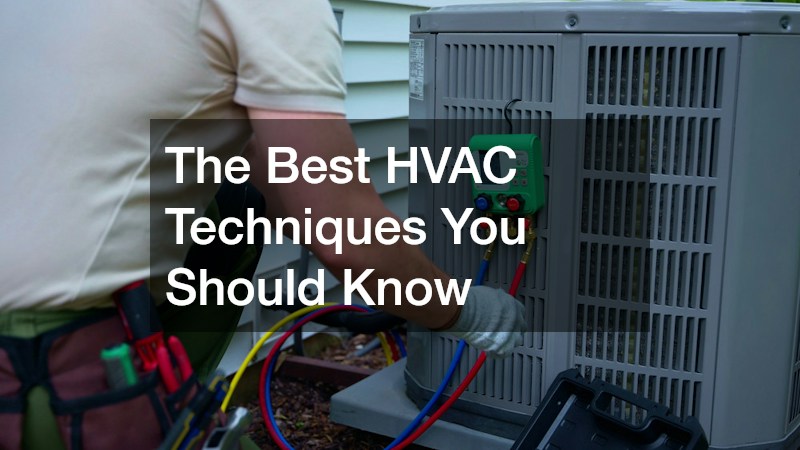
Maintain the Outdoor Unit
The outdoor condenser needs clear airflow to function properly.
Leaves, grass clippings, weeds, dirt, and other debris can accumulate around the equipment.
Homeowners should keep the surrounding area clear and trim vegetation back far enough to allow sufficient airflow.
Avoid stacking items against the unit or covering it while it is operating.
Keeping the outdoor portion of the HVAC system clean and unobstructed can help it release heat more effectively.
Schedule Preventive Maintenance
Professional maintenance can help identify small problems before they lead to major failures.
During a maintenance visit, a technician may inspect electrical components, test system operation, check airflow, clean certain parts, and evaluate the overall condition of the equipment.
Heating systems are often inspected before winter, while air-conditioning systems are commonly serviced before warmer weather arrives.
Regular maintenance can also give homeowners a better understanding of how much useful life remains in the equipment.
Seal Air Leaks Around the Home
Even a well-maintained HVAC system can waste energy if conditioned air constantly escapes.
Gaps around doors, windows, attic access points, and other openings can allow outdoor air to enter while heated or cooled air leaves.
Weatherstripping and caulk can help seal certain gaps.
Improving insulation in attics, walls, or other areas may also help the home maintain a more stable temperature.
Reducing air leakage means the HVAC system may not need to run as frequently to maintain comfort.
Have Ductwork Inspected
Ductwork plays an important role in delivering conditioned air to each room.
Leaks, disconnected sections, poor insulation, or damage can cause heated or cooled air to escape before reaching the intended space.
Possible signs of duct problems include uneven temperatures, weak airflow, excessive dust, or unusually high energy bills.
A professional can inspect accessible ductwork and determine whether repairs or sealing may improve performance.
Proper duct design is especially important when installing new equipment.
Use Ceiling Fans to Support Comfort
Ceiling fans can help move air around a room and make occupants feel more comfortable.
During warm weather, air movement can create a cooling effect that may allow homeowners to raise the thermostat slightly.
During cooler months, some ceiling fans can be reversed to help circulate warm air that collects near the ceiling.
Fans should generally be turned off when rooms are unoccupied because they cool people rather than lowering the actual room temperature.
Avoid Blocking the Return Airflow
Return vents are just as important as supply vents.
They pull air back into the HVAC system so it can be heated or cooled again.
If return vents are blocked by furniture, boxes, or other objects, airflow can become restricted.
Check the location of return vents throughout the home and keep them clear.
Good circulation helps the system operate more efficiently and may also improve temperature consistency between rooms.
Control Indoor Humidity
Humidity can affect how comfortable a home feels even when the temperature is reasonable.
High humidity can make warm weather feel hotter, while very dry indoor air can feel uncomfortable during winter.
Some HVAC systems can help manage humidity, while other homes may benefit from separate humidifiers or dehumidifiers.
Excessive humidity may also contribute to condensation, mold, or moisture problems.
A professional can evaluate whether humidity levels are affecting comfort or system performance.
Reduce Heat Gain in Summer
During hot weather, limiting the amount of heat entering the home can reduce the workload on the air conditioner.
Close blinds or curtains on windows receiving strong direct sunlight. Consider using energy-efficient window coverings in particularly sunny rooms.
Avoid using heat-producing appliances unnecessarily during the hottest parts of the day when possible.
Even small changes can help the HVAC system maintain comfortable indoor temperatures more efficiently.
Improve Airflow Around Interior Doors
Air needs room to circulate throughout the house.
Keeping interior doors open in certain areas may improve airflow, especially when rooms rely on central return vents located elsewhere.
However, airflow needs vary depending on the ductwork design.
If some rooms consistently feel hotter or colder than others, a professional evaluation may identify issues involving dampers, ducts, insulation, or system balancing.
Pay Attention to Unusual Sounds
HVAC equipment makes some normal operating noise, but sudden changes should not be ignored.
Grinding, squealing, banging, rattling, or repeated clicking may indicate worn or loose components.
Unusual noises can sometimes provide an early warning before a complete breakdown occurs.
If a new sound continues, shut the system down if necessary and arrange for an inspection.
Prompt attention may help prevent a small mechanical issue from becoming more expensive.
Know When the System Is Struggling
Long run times, frequent cycling, uneven temperatures, rising utility bills, and weak airflow can all suggest that something is wrong.
Sometimes the issue is simple, such as a dirty filter or blocked vent. Other times, the system may have a refrigerant problem, failing component, or sizing issue.
An aging HVAC system may also gradually lose efficiency.
Homeowners should pay attention to changes in performance rather than waiting until the equipment stops working completely.
Combine Good Habits With Professional Care
The best HVAC techniques are usually straightforward: maintain airflow, use the thermostat wisely, keep equipment clean, seal air leaks, and schedule regular maintenance.
Homeowners who follow these habits can reduce unnecessary strain on their systems and improve everyday comfort.
A well-maintained HVAC system is more likely to operate consistently and efficiently throughout the year. By combining smart home habits with professional inspections and timely repairs, homeowners can help extend equipment life and reduce the likelihood of unexpected breakdowns.