The Only Roofing Guide Homeowners Will Ever Need to Read

Every homeowner knows that the roof is one of the most important components of any house. It protects against weather, contributes to energy efficiency, prevents structural damage, and plays a major role in your home’s overall value. Yet many people don’t fully understand what their roof needs—or how to care for it—until a problem arises. Whether you’re dealing with routine maintenance, exploring upgrade options, or considering professional roof repair, having a complete guide makes managing your roof far easier.
Below is the only roofing guide homeowners will ever need—covering care, warning signs, repair options, materials, maintenance tips, and long-term planning.
Understanding the Basic Parts of Your Roof
Before you can properly maintain your roof, it helps to understand what it’s made of. Even simple roofing systems include multiple components working together to keep your home protected.
These include:
-
Shingles or surface material – The outer layer that provides weather protection
-
Underlayment – A waterproof barrier beneath the shingles
-
Flashing – Metal installed around chimneys, vents, and valleys to prevent leaks
-
Decking – The wooden base that supports the entire roof
-
Ventilation system – Allows airflow through the attic to regulate heat and moisture
-
Gutters and downspouts – Direct water away from the home’s foundation
Knowing these components helps you identify issues early and communicate clearly with contractors when roof repair is needed.
How Long Does a Roof Last?
Your roof’s lifespan depends heavily on the material used and environmental factors. General timelines include:
-
Asphalt shingles: 20–30 years
-
Metal roofing: 40–70 years
-
Tile roofing: 50–100 years
-
Slate roofing: 75+ years
Weather exposure, ventilation quality, and routine maintenance play a major role in extending lifespan. Even the best materials require occasional roof repair to stay in optimal condition.
Signs Your Roof Needs Attention
Catching issues early saves money and prevents structural damage. Common warning signs include:
-
Missing, cracked, or curling shingles
-
Dark streaks or moss growth
-
Water stains on ceilings or walls
-
Granules collecting in gutters
-
Soft spots or sagging areas
-
Light visible through attic boards
-
Rising energy bills
-
Persistent leaks during storms
Even small issues can escalate quickly. When in doubt, contact a professional for inspection and potential roof repair before problems worsen.
Repair vs. Replacement: How to Decide
One of the hardest decisions homeowners face is whether they should repair or replace their roof. Here’s how to approach that decision:
Choose roof repair when:
-
Damage is minor or isolated
-
Most of the roof is still in good condition
-
Only a few shingles are missing or loose
-
Flashing or sealant deterioration is the primary issue
-
The roof is under 15 years old
Consider replacement when:
-
Your roof is nearing the end of its lifespan
-
Leaks are widespread or recurring
-
Shingles are deteriorated across large areas
-
Structural issues (rotting decking or sagging) are present
-
You want to improve efficiency or switch materials
A reputable contractor can help you determine which option makes sense both financially and structurally.
The Most Common Roof Repair Services
Roofing problems come in all shapes and sizes, but the most frequent repairs include:
-
Shingle replacements
-
Flashing repairs
-
Leak detection and sealing
-
Gutter and drainage issues
-
Ventilation upgrades
-
Underlayment replacement
-
Fixing punctures from storms or fallen branches
Professional roof repair ensures these jobs are done safely and correctly, preventing further damage.
Roofing Materials: What Homeowners Should Know
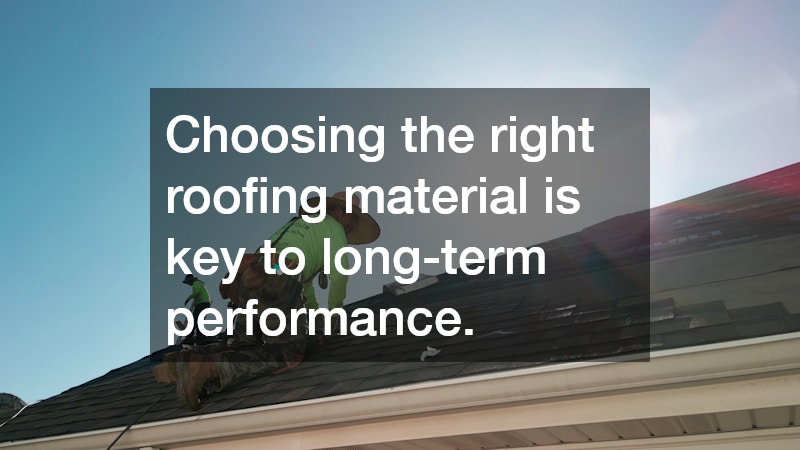
Choosing the right roofing material is key to long-term performance. Here’s a quick overview:
Asphalt shingles: Affordable, widely used, and available in many styles
Metal roofing: Durable, energy efficient, and long-lasting
Wood shakes: Natural appearance but requires more maintenance
Tile roofing: Highly durable and great for hot climates
Slate: Premium option offering excellent longevity and beauty
Your material choice affects cost, maintenance, energy efficiency, and curb appeal.
Seasonal Roofing Maintenance Tips
Every season brings its own roofing challenges. Regular upkeep can prevent premature wear.
Spring:
-
Inspect for winter damage
-
Check flashing and gutters
-
Look for moisture signs in the attic
Summer:
-
Ensure proper ventilation
-
Watch for heat-related shingle blistering
Fall:
-
Clean gutters and downspouts
-
Remove leaves and debris from the roof
-
Schedule preventive roof repair if needed
Winter:
-
Prevent ice dams by ensuring proper insulation
-
Avoid climbing on icy roofs
-
Check for interior moisture buildup
Staying ahead of seasonal damage makes your roof last much longer.
How to Choose the Right Roofing Contractor
The roofer you choose determines the quality and longevity of the work performed. Look for:
-
Proper licensing and insurance
-
Years of experience
-
Strong reviews or references
-
Transparent pricing and written estimates
-
Warranties on labor and materials
A good contractor educates homeowners, explains issues clearly, and provides honest recommendations—not just quick fixes.
Long-Term Roof Care: Tips for Maximizing Lifespan
Follow these practices to keep your roof in great shape:
-
Schedule annual inspections
-
Keep gutters clean
-
Trim overhanging branches
-
Remove debris after storms
-
Address leaks immediately
-
Maintain proper attic ventilation
Regular care prevents the need for major repairs and helps you avoid premature replacement.
A strong roof is one of the best investments you can make in your home. With the right knowledge, a proactive maintenance plan, and timely roof repair when issues arise, you can extend its lifespan, protect your property, and maintain your home’s long-term value. Consider this your go-to roofing guide—one that empowers you as a homeowner to make smart, confident decisions about your roof for years to come.