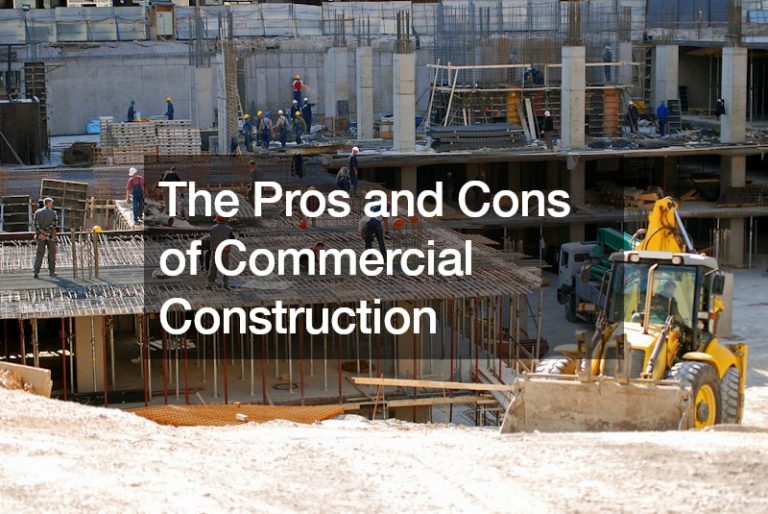
How Professional Contractors Add Long-Term Value During Home Renovations

Home renovations often begin with visual goals—updated finishes, modern layouts, or improved curb appeal. While these elements matter, long-term value depends far more on what happens behind the walls, under the ground, and within the systems that keep a home functional. Professional contractors bring technical expertise, planning discipline, and code knowledge that protect a homeowner’s investment for decades. Their work reduces the risk of premature failures, costly repairs, and safety issues that can undermine even the most beautiful renovation.
This article explores how experienced professionals add lasting value at every stage of a renovation. From early planning to system upgrades and ongoing performance, each section focuses on practical decisions homeowners can make to ensure their renovation stands the test of time.
Start With Structural Planning to Avoid Costly Redesigns Later
Structural planning is the foundation of a successful renovation, influencing every decision that follows. When this phase is overlooked or rushed, homeowners often encounter unexpected obstacles once construction is underway. These issues can force design changes, disrupt schedules, and significantly increase costs. Careful planning at the outset allows potential challenges to be identified and addressed before they escalate into major problems, ensuring the renovation progresses smoothly and predictably.
Ground conditions play a critical role in long-term performance. Soil composition, compaction, and moisture retention vary widely from property to property, even within the same neighborhood. An experienced excavating contractor evaluates these conditions to determine how they may affect load-bearing capacity and stability. Expansive soils, for example, can swell when wet and shrink when dry, placing stress on foundations and slabs. Identifying these conditions early allows for corrective measures, such as soil replacement or specialized compaction techniques, that protect the structure over time.
Proper grading is another essential component of structural planning. The slope of the land surrounding a home determines how water moves across and away from the structure. Without precise grading, rainwater can collect near foundations, increasing the risk of erosion, leaks, and long-term moisture damage. Professional excavation ensures that the site is shaped to encourage natural runoff, reducing pressure on foundation walls and minimizing the likelihood of water intrusion into basements or crawl spaces.
Drainage planning works hand in hand with grading to control water flow. Surface and subsurface drainage solutions, such as swales, drain tiles, or gravel beds, help manage excess water during heavy rainfall or seasonal thawing. These systems are designed to redirect water away from vulnerable areas, protecting structural components that are costly and disruptive to repair later. Thoughtful drainage planning also reduces soil saturation, which can compromise load-bearing capacity and lead to settling.
Future readiness is often overlooked during renovations focused on immediate needs. Structural planning that accounts for potential additions, outdoor features, or landscaping changes saves time and money down the road. By preparing the site to support future expansions—such as room additions, patios, or driveways—homeowners avoid the need for re-excavation or structural modifications that could disturb completed work.
Clear documentation is a vital outcome of this planning phase. Detailed grading plans, soil reports, and drainage layouts provide a roadmap for current construction and future projects. This documentation helps ensure accountability, simplifies inspections, and gives homeowners a clear understanding of what lies beneath the finished surfaces. Investing in thorough structural planning and professional excavation upfront reduces the risk of foundation movement, water damage, and structural stress, preserving the integrity and value of the renovation for years to come.
Build Durable Foundations That Support Decades of Use
Durable foundations and concrete surfaces are essential to the long-term success of any renovation, even though they often go unnoticed once construction is complete. These elements support walls, floors, and structural loads every day, and any weakness in their design or installation can lead to progressive damage. Cracking, uneven settling, and moisture infiltration not only compromise structural stability but can also affect finishes, doors, and mechanical systems throughout the home.
Professional concrete companies add value by approaching each project with a performance-first mindset. Rather than relying on generic materials or shortcuts, they evaluate how environmental factors such as temperature fluctuations, soil moisture, and freeze–thaw cycles will affect the concrete over time. Load requirements are also carefully assessed to ensure foundations and slabs can safely support current structures as well as potential future upgrades or additions.
Mix design is a critical factor in concrete durability. The ratio of cement, aggregate, water, and additives determines strength, flexibility, and resistance to environmental stress. A properly selected mix can reduce shrinkage, improve resistance to cracking, and enhance longevity in challenging climates. Professionals adjust mix designs to suit specific conditions, such as high moisture exposure or heavy load demands, rather than relying on one-size-fits-all solutions.
Reinforcement further strengthens concrete and helps control movement. Rebar, wire mesh, or fiber reinforcement distributes stress across the slab, reducing the likelihood of cracks forming or spreading. Proper placement and spacing of reinforcement are just as important as the materials themselves. When installed correctly, reinforcement allows the concrete to flex slightly without failing, preserving structural integrity over decades of use.
Curing practices are often underestimated but play a major role in long-term performance. Concrete gains strength gradually as it cures, and this process requires adequate moisture and time. Rushing curing or allowing concrete to dry too quickly can significantly weaken the final product. Professional contractors manage curing through controlled moisture retention and scheduling, ensuring the concrete reaches its intended strength and durability.
Joint placement is another key element in controlling how concrete behaves over time. As concrete naturally expands and contracts, joints provide designated areas for movement. Without properly placed control joints, stress can cause random cracking that weakens the surface and detracts from appearance. Thoughtful joint planning guides natural movement in predictable ways, preserving both function and aesthetics.
Although concrete work is largely hidden once a renovation is complete, its quality influences everything built on top of it. Well-executed foundations and slabs reduce maintenance needs, prevent structural issues, and provide a stable base for long-term use. Investing in professional concrete installation protects the renovation as a whole and contributes to sustained property value well into the future.
Improve Exterior Boundaries Without Sacrificing Functionality
Exterior boundaries play a significant role in how a property functions on a daily basis. In addition to defining ownership lines and providing privacy, fencing can influence security, drainage patterns, and even long-term maintenance costs. When fencing is installed without proper planning, it can create unintended issues such as standing water, accelerated material deterioration, or conflicts with local regulations that require costly corrections later.
Professional fencing services bring a practical understanding of how environmental and site-specific factors affect fence performance. Contractors evaluate soil composition to determine appropriate post depth and anchoring methods, ensuring the fence remains stable as the ground shifts with moisture and temperature changes. They also consider wind exposure, particularly in open or elevated areas, where stronger materials and reinforced installation methods may be required to prevent movement or damage.
Material selection is a key decision that influences longevity and upkeep. Different materials respond differently to moisture, sunlight, and temperature fluctuations. Professionals guide homeowners toward options that resist rot, corrosion, warping, or fading based on the property’s conditions. This tailored approach helps prevent premature deterioration and reduces the need for frequent repairs or replacement.
Proper post installation is equally critical to long-term stability. Posts must be set at the correct depth and secured with appropriate footing materials to resist leaning or shifting over time. Shallow or poorly anchored posts often lead to uneven fences, gaps, or structural weakness, particularly after seasonal ground movement or heavy weather. Professional installation methods account for these variables and provide a stable framework for the entire fence system.
Drainage awareness is another important aspect of functional fencing. Fence placement can unintentionally trap water against structures or redirect runoff toward vulnerable areas. Experienced contractors plan layouts that allow natural water flow, preventing soil erosion and moisture buildup near foundations. This consideration helps protect both the fence and nearby structures from water-related damage.
Code compliance protects homeowners from legal and financial complications. Local regulations often govern fence height, placement, materials, and visibility at intersections or shared boundaries. Professional installers are familiar with these requirements and ensure projects meet all applicable standards. This reduces the risk of disputes with neighbors or enforcement actions that could require costly modifications.
When fencing is thoughtfully planned and professionally installed, it enhances a property’s usability without introducing new challenges. The result is a durable, low-maintenance boundary that supports privacy and safety while contributing positively to curb appeal and long-term property value.
Upgrade Driveways and Walkways for Safety and Longevity

Driveways and walkways endure constant wear from vehicles, foot traffic, and weather. Substandard installation often leads to cracking, uneven surfaces, and drainage issues that create safety hazards and detract from a home’s appearance.
Experienced paving companies focus on preparation as much as surface materials. Their expertise ensures that paved areas remain functional and attractive for many years.
Homeowners should prioritize:
- Proper base preparation: Compacting sublayers to prevent settling
- Slope and runoff control: Directing water away from structures and walking areas
- Material suitability: Matching paving materials to climate and usage levels
- Edge support: Preventing breakdown along borders and transitions
Professional paving improves accessibility, reduces liability risks, and enhances curb appeal—an important factor in long-term property value.
Protect the Home With a Roof Built for Performance, Not Just Appearance
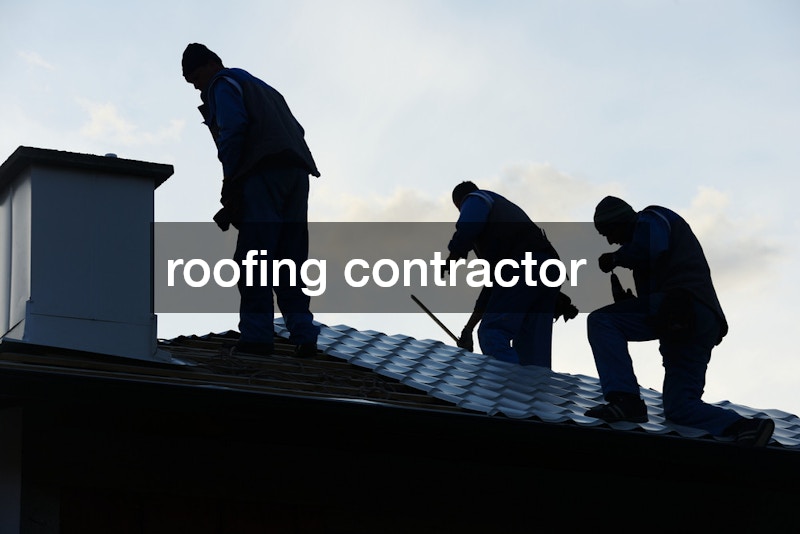
A roof is one of the most critical components of a home’s protective envelope. Beyond visual appeal, it must manage moisture, temperature, and airflow year-round.
Working with a qualified roofing contractor ensures that roofing decisions are based on performance metrics, not just aesthetics. Professional installation minimizes leaks, heat loss, and premature material failure.
Ways roofing expertise adds lasting value include:
- Material assessment: Selecting options based on lifespan and climate suitability
- Underlayment quality: Providing secondary moisture protection
- Flashing installation: Preventing leaks at joints and penetrations
- Ventilation planning: Reducing heat buildup and moisture accumulation
A well-installed roof safeguards the entire renovation investment by protecting interior finishes and structural elements from environmental damage.
Choose the Right Roofing Partner for Warranty and Compliance
Beyond installation skill, the company behind the work matters just as much. Credentials, documentation, and long-term accountability all influence how a roof performs—and how protected a homeowner remains.
A reputable roofing company offers more than labor. They provide warranties, follow manufacturer guidelines, and ensure compliance with local building codes.
Homeowners should look for:
- Proper licensing and insurance: Reducing liability and risk
- Manufacturer certifications: Preserving material warranties
- Clear contracts: Defining scope, timelines, and responsibilities
- Inspection readiness: Passing local and third-party evaluations
Choosing the right company adds confidence that the roof will perform as expected and that support will be available if issues arise in the future.
Modernize Plumbing Systems to Prevent Hidden Damage
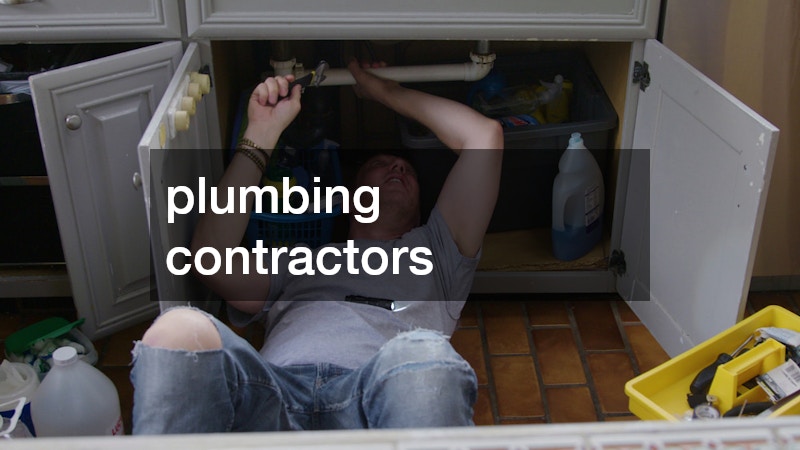
Plumbing issues often remain hidden until they cause visible damage. Aging pipes, outdated materials, and inefficient layouts can undermine an otherwise successful renovation.
Professional plumbing contractors identify risks that homeowners may overlook. Their upgrades protect against leaks, water damage, and inefficiencies that grow more costly over time.
Key areas where professional plumbing adds value include:
- Material upgrades: Replacing outdated or failure-prone piping
- Pressure management: Preventing stress on fixtures and connections
- Water efficiency: Reducing utility costs without sacrificing performance
- Code compliance: Ensuring safety and resale readiness
Addressing plumbing proactively preserves finishes, prevents mold growth, and supports the long-term health of the home.
Plan Mechanical Layouts That Support Future Renovation Phases
Renovations rarely represent the final chapter in a home’s evolution. Poor system layouts can limit future upgrades or require costly rework.
Experienced plumbing contractors help homeowners plan layouts that accommodate potential additions, remodels, or system expansions.
Strategies that add long-term flexibility include:
- Accessible shutoffs: Simplifying maintenance and future changes
- Logical routing: Avoiding conflicts with structural or electrical components
- Capacity planning: Supporting additional fixtures if needs change
- Documentation: Providing maps of system layouts for future reference
Thoughtful planning reduces disruption during future projects and extends the usefulness of current investments.
Increase Comfort and Efficiency Through Proper System Design

Comfort and energy efficiency significantly influence how a home feels to live in—and how much it costs to operate. Oversized or poorly designed systems often perform worse than properly engineered ones.
Professional HVAC companies focus on system design, not just equipment installation. Their approach ensures balanced temperatures, healthy air quality, and efficient operation.
Homeowners benefit from:
- Accurate load calculations: Matching system size to actual needs
- Zoning strategies: Customizing comfort across different areas
- Duct design: Improving airflow and reducing energy loss
- Integration planning: Coordinating with insulation and building envelope upgrades
Well-designed systems improve daily comfort while lowering long-term energy and maintenance costs.
Maintain System Performance With Strategic Repair and Upgrade Planning
Even the best systems require upkeep. Addressing performance issues during renovation prevents future disruptions and protects new finishes from damage.
Strategic HVAC repairs during a remodel allow contractors to access components more easily and integrate improvements seamlessly.
Homeowners should consider:
- Pre-renovation inspections: Identifying wear or inefficiencies
- Component upgrades: Replacing aging parts before failure
- Preventative maintenance: Extending system lifespan
- Performance testing: Verifying efficiency after renovation work
Coordinating repairs with renovation timelines minimizes downtime and ensures systems operate reliably long after the project is complete.
Long-term value in home renovations is built through expertise, planning, and attention to detail—not shortcuts or surface-level improvements. Professional contractors protect homeowners from hidden risks, enhance system performance, and ensure renovations remain durable, efficient, and compliant for years to come. By prioritizing qualified professionals and informed decision-making at every stage, homeowners can turn renovations into lasting investments that support comfort, safety, and property value well into the future.