How to Safely Walk Across Tile Roofs

Walking across a tile roof is never something homeowners should take lightly. Tile roofs—whether made of clay, concrete, or slate—are known for their durability and long lifespan, but they are also uniquely fragile under direct pressure. Even a small misstep can crack, shift, or dislodge tiles, leading to costly repairs and potential leaks. Whether you need to inspect your roof, clean gutters, or address a minor concern, understanding how to walk safely on a tile surface is essential. More importantly, knowing when to call a professional roof repair service can save you from dangerous accidents and unnecessary damage.
Below is a comprehensive guide on how to safely walk across tile roofs and protect both your home and yourself.
Understand the Structure of a Tile Roof
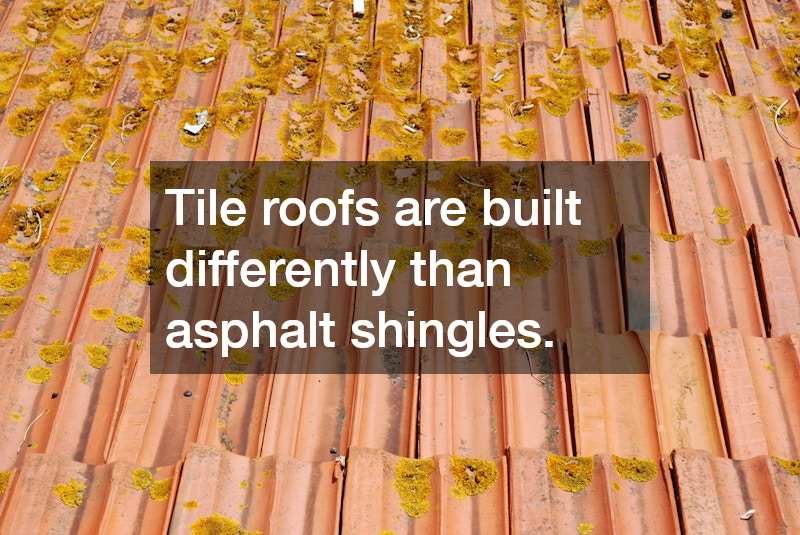
Tile roofs are built differently than asphalt shingles. Each tile is designed to overlap the next, creating a protective barrier that repels water.
While tiles are tough against weather, they can crack easily under uneven or direct weight. Additionally, the tiles cover a waterproof underlayment that should never be punctured or exposed.
Understanding this structure helps homeowners make safer decisions. Walking incorrectly on a tile roof may not only break tiles but can also damage the underlayment, leading to leaks and the need for a roof repair service far sooner than expected.
Wear the Right Footwear
Wearing proper footwear is one of the simplest ways to minimize damage and stay safe on a tile roof. Shoes should have:
-
Soft rubber soles
-
Excellent traction
-
Flexible material
-
No deep treads that catch or twist tiles
Avoid boots with hard soles or sharp heels. Soft-soled shoes distribute your weight evenly and reduce the risk of cracking tiles. Good traction helps prevent slips, which are especially dangerous on angled tile roofs.
Step on the Lower Third of Each Tile
If you must walk on a tile roof, always place your feet on the lower third of each tile, where it overlaps with the tile beneath it. This area is structurally reinforced and more capable of supporting weight.
Do not step directly in the center or upper portion of a tile—these are the weakest points and most likely to crack under pressure. Applying this technique does not eliminate all risk, but it dramatically reduces potential damage and the need to hire a roof repair service afterward.
Walk Along the Bottom Edges and Valleys
Tile roofs have specific pathways that can support weight better than others. When possible, walk:
-
Along valleys where multiple tiles overlap
-
Near the edges where the roofline is reinforced
-
On load-bearing areas supported by beams
Avoid walking along the ridges or unsupported spans. These areas are more vulnerable and may shift under your weight. Roofers trained in tile roof repair know exactly which parts of the roof can handle foot traffic safely.
Use Safety Equipment at All Times
Tile roofs are slippery—even when dry. Safety equipment is essential in preventing falls or serious injuries. Consider using:
-
A roofing harness
-
Safety ropes
-
A stable ladder with proper footing
-
Knee pads for crawling instead of standing
-
A spotter to help stabilize equipment
Falls from roofs are one of the leading causes of home improvement injuries. A professional roof repair service always uses appropriate safety gear, and homeowners should do the same.
Spread Out Your Weight
Whenever possible, distribute your weight across a larger area by crawling or crouching rather than standing upright. Lowering your center of gravity not only improves balance but also reduces pressure on individual tiles.
Roofers often work on tile roofs by walking slowly, crouching, or using foam pads that spread weight evenly. This technique helps protect tiles from cracking and minimizes the need for repairs.
Avoid Walking on Wet or Mossy Tiles
Tile roofs become extremely slick when wet, covered in dew, or coated with moss. Wet tiles reduce friction and increase your chances of slipping. Moss and algae create a slippery layer that makes tile roofs unsafe to walk on even with proper footwear.
Never attempt to walk on a tile roof in rainy or damp conditions. If you need immediate assistance, contact a roof repair service that has the equipment and training to navigate slippery surfaces safely.
Only Walk on the Roof When Absolutely Necessary
The best way to avoid damage to a tile roof is to limit walking as much as possible. Many tasks—such as gutter cleaning, minor inspections, or debris removal—can be done from a ladder instead of stepping directly on the roof.
If the task requires you to be on the roof, consider whether the risk is worth it. Often, speaking with a professional roof repair service can solve the issue without you needing to step on the tiles at all.
Check for Loose or Damaged Tiles Before Stepping
Before walking across the roof, inspect visible areas for cracked or loose tiles. Stepping on tiles that are already compromised increases the likelihood of breakage and falls. Damaged tiles should be repaired before any weight is placed on them.
If you are unsure how to evaluate tile stability, this is another reason to hire a qualified roof repair service for safety and effective repairs.
Know When to Call a Professional Roofer
Tile roof inspections, repairs, and maintenance should ideally be handled by experts. Professional roofers understand how to navigate these surfaces without causing additional damage. They have the equipment, training, and experience needed to move confidently across the roof and complete the job without breaking tiles or risking injury.
Calling a trusted roof repair service is especially important when:
-
Tiles are cracked or slipping
-
Leaks are present
-
The roof pitch is steep
-
You have mobility or balance concerns
-
Weather conditions are poor
-
You lack proper safety equipment
Tile roofs are valuable, long-lasting roofs, and professional care helps preserve that longevity.
Walking across a tile roof requires caution, skill, and the right equipment. Even small mistakes can break tiles, damage underlayment, or put your safety at risk. By using proper techniques and understanding the roof’s structure, homeowners can reduce the chances of damage. However, when in doubt, always rely on an experienced roof repair service to handle inspections and repairs. Protecting your roof begins with protecting yourself—and making smart choices that keep your home in excellent condition.