How to Decide Between a Roof Repair and Replacement
A roof is one of the most important structural components of any home. It protects the interior from rain, wind, sunlight, and temperature changes while helping maintain the overall integrity of the property. Over time, however, roofing materials naturally begin to wear down due to exposure to weather and environmental conditions. When homeowners start noticing signs of damage, one of the most common questions they face is whether a repair will solve the issue or if a full replacement is the better option.
Deciding between a repair and a replacement can depend on several different factors. The age of the roof, the extent of the damage, the type of materials used, and the overall condition of the structure all play important roles in the decision. Some roofing problems can be resolved with targeted repairs that restore functionality, while others may indicate that the entire system is reaching the end of its lifespan. Understanding how to evaluate these factors can help homeowners make a more informed decision about the best way to protect their property.
Evaluating the Extent of Roof Damage
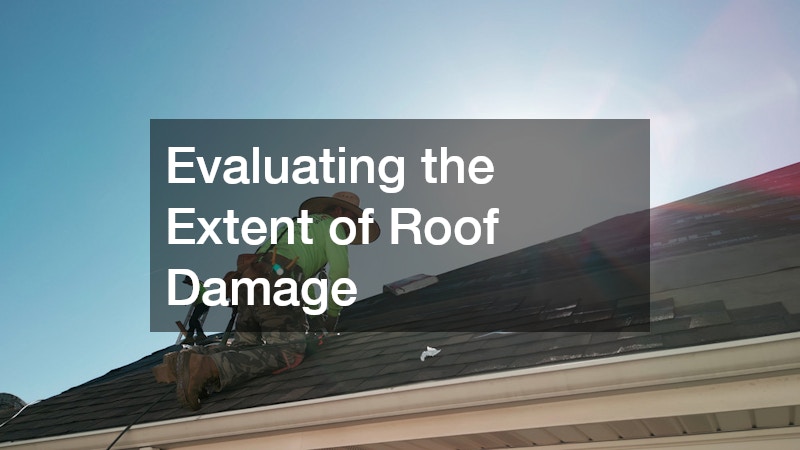
The first step in deciding whether to repair or replace a roof is evaluating the extent of the damage. Not all roofing issues require a complete replacement, especially if the damage is limited to a small area. Problems such as a few missing shingles, minor flashing damage, or small leaks may be corrected with targeted repairs. Carefully examining the roof for visible signs of deterioration can provide important clues about the overall condition of the roofing system.
When homeowners notice issues such as water stains on ceilings or visible shingle damage, it may be helpful to consult professionals who offer roof repair services. These specialists can inspect the roof and determine whether the damage is confined to a small section or if it extends deeper into the roofing structure. Identifying the true extent of the problem helps homeowners avoid unnecessary replacements while still addressing any structural concerns that could worsen over time.
Identifying Signs of Minor Wear and Tear
Roofs naturally experience wear over time, but not every sign of aging means that replacement is necessary. Minor issues such as loose shingles, small cracks, or slight granule loss are common as roofing materials age. In many cases, these types of problems can be addressed through routine maintenance and repairs. Recognizing the difference between minor wear and serious structural damage can help homeowners determine the most practical solution.
When the roof is still relatively young and the damage is limited, targeted roof repairs may be enough to restore its performance. Replacing individual shingles or sealing small leaks can extend the life of the roofing system without requiring a full replacement. Addressing these small problems early can prevent them from developing into larger issues that could compromise the entire roof structure.
Checking for Localized Leaks and Water Damage
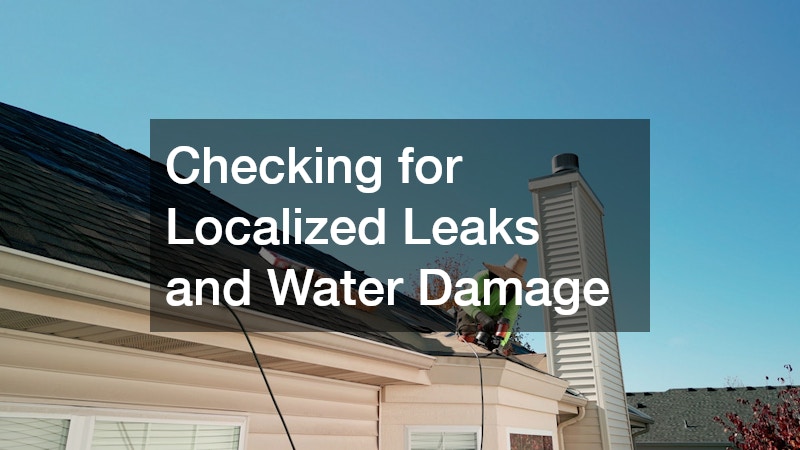
One of the most important steps in deciding between a roof repair and a full replacement is identifying whether leaks are isolated or widespread. A single leak in one section of the roof may simply indicate damaged flashing, missing shingles, or a small puncture caused by debris. When these issues are confined to a specific area, targeted repairs can often resolve the problem without requiring extensive work across the entire roofing system. Homeowners should look for signs such as water stains on ceilings, damp insulation in the attic, or discoloration along roof decking, all of which may point to a leak that needs attention.
In situations where leaks are limited to a small section, contacting a professional who provides local roof repair service can help determine the best course of action. These professionals can inspect the roofing materials, identify the source of moisture intrusion, and recommend appropriate repairs that restore the roof’s protective barrier. However, if leaks appear in multiple areas or if water damage has spread throughout the structure, it may indicate deeper issues with the roofing system. Evaluating whether water intrusion is localized or widespread helps homeowners determine whether repairs will be sufficient or if a replacement may be necessary.
Consulting a Professional for an Inspection
While homeowners can often notice visible signs of roof damage, a professional inspection is one of the most reliable ways to determine whether repairs or replacement are needed. Roofing systems include multiple layers and structural components that may not be fully visible from the ground or even from the surface of the roof. A trained professional can evaluate shingles, flashing, ventilation systems, and underlying materials to determine the overall health of the structure. This level of inspection helps uncover hidden issues that might otherwise go unnoticed until they become more serious.
Working with a knowledgeable local roofer allows homeowners to receive a detailed assessment of the roof’s current condition and expected lifespan. Experienced professionals can explain whether certain areas can be repaired or if aging materials and structural wear suggest that replacement would be more cost-effective in the long run. They may also identify ventilation problems, moisture buildup, or deteriorating underlayment that could affect the roof’s long-term performance. By obtaining a professional evaluation, homeowners gain valuable insight that helps them make informed decisions about maintaining or replacing their roofing system.
Comparing the Cost of Repairs Versus Replacement
Cost is another major factor when deciding whether to repair or replace a roof. While repairs typically require a smaller immediate investment, they may not always be the most economical option if the roof is nearing the end of its lifespan. Homeowners should consider how frequently repairs have been needed and whether additional problems are likely to appear in the near future. In some cases, repeatedly repairing aging roofing materials can end up costing more over time than investing in a full replacement.
Consulting a roofing contractor can help homeowners evaluate the financial aspects of each option. A professional can provide estimates for both repair work and replacement, allowing homeowners to compare short-term expenses with long-term value. If the roof still has many years of life remaining, repairs may provide a cost-effective way to extend its performance. However, if the structure is significantly worn or approaching the end of its lifespan, replacing the roof may ultimately provide better protection and reduce ongoing maintenance costs. Understanding these financial considerations helps homeowners choose the option that best supports both their budget and the long-term stability of their home.
Considering the Age of Your Current Roof
The age of a roof is one of the most important factors when deciding whether repairs or replacement make more sense. Most roofing materials are designed to last for a certain number of years, and once a roof approaches the end of that lifespan, repairs may only provide temporary relief. Even if the damage appears minor, older roofing systems are more likely to develop additional problems because the underlying materials have already experienced years of weather exposure. Understanding the approximate age of the roof can help homeowners determine whether it is worth investing in repairs or preparing for a full replacement.
If the roof is relatively new, repairing damaged areas may extend its life and maintain its protective function for many more years. However, when a roof has reached the later stages of its expected lifespan, many homeowners begin considering options for a local roof replacement instead of continuing to invest in repeated repairs. Older roofs may have weakened decking, worn underlayment, or deteriorating flashing that cannot be fully restored through minor fixes. Evaluating the age of the roofing system helps homeowners determine whether repairs will provide lasting value or if replacement is the more reliable long-term solution.
Reviewing the Type of Roofing Material Installed
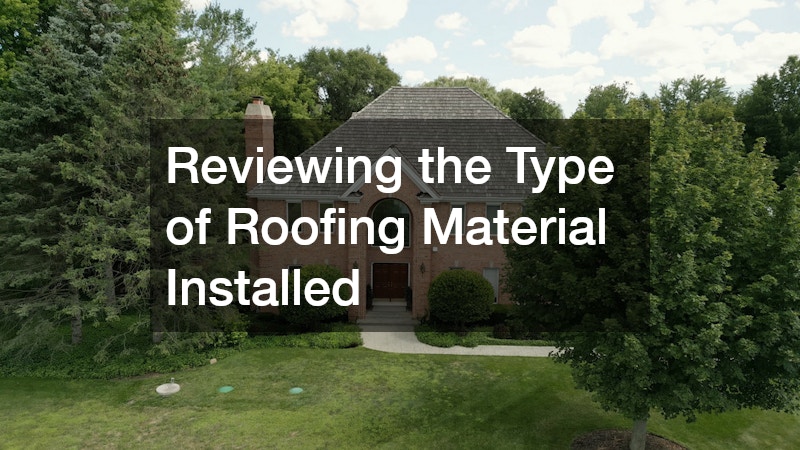
Different roofing materials age and perform differently, which can affect whether repairs or replacement are the better option. Some materials are more durable and can withstand decades of exposure with only occasional maintenance, while others may require more frequent attention. Metal, tile, and shingle systems each have their own strengths, weaknesses, and typical lifespans. Understanding the material installed on the home helps homeowners evaluate how much life the roof may still have and how repairs might affect its performance.
Certain materials may be easier to repair without affecting the rest of the roof. For example, metal roofing systems are often designed in panels that can sometimes be replaced individually if damage occurs. In cases where homeowners are considering long-term durability, they may consult professionals or research services offered by metal roofing companies to understand how metal systems compare with other materials. Evaluating the roofing material can help determine whether repairs will blend well with the existing structure or whether replacing the system may offer better long-term performance.
Examining the Condition of Specialty Roofing Systems
Some homes feature roofing systems that require specialized installation and maintenance techniques. Tile roofs, for example, are known for their durability and long lifespan, but individual tiles can crack or shift over time. When damage occurs in these types of roofing systems, the decision between repair and replacement often depends on whether the underlying structure remains intact. In many cases, replacing individual tiles or repairing localized sections can restore the roof without the need for a full replacement.
However, if damage extends beyond the visible surface materials, more extensive work may be required. Professionals who specialize in these systems, such as tile roofing contractors, are often able to determine whether repairs can restore the roof effectively or if structural deterioration requires a larger replacement project. Because specialty roofing systems often involve unique materials and installation techniques, proper evaluation is essential before deciding on the most appropriate course of action. Careful assessment ensures that the chosen solution maintains both the durability and appearance of the roofing system.
Assessing the Lifespan of Common Roofing Materials
Understanding the typical lifespan of roofing materials can help homeowners determine whether a repair is worthwhile or if replacement is approaching. Many roofing systems are designed to last for a specific range of years depending on the materials used and the conditions they are exposed to. Factors such as severe weather, sun exposure, and maintenance practices can all influence how long a roof remains effective. When a roof is still well within its expected lifespan, repairing isolated damage may help extend its performance without requiring a complete overhaul.
For example, an asphalt shingle roof is one of the most common roofing systems used in residential construction and often lasts between 20 and 30 years depending on maintenance and climate conditions. If shingles are only damaged in a small section and the roof is still relatively young, replacing a limited number of shingles can restore protection and maintain the roof’s appearance. However, when shingles begin curling, cracking, or losing large amounts of granules across the surface, these signs may indicate that the material is aging throughout the entire structure. Evaluating the remaining lifespan of the roofing material helps homeowners decide whether repairs will be sufficient or if a full replacement will provide better long-term protection.
Inspecting Drainage Systems That Affect the Roof
A roof’s performance is closely connected to how effectively it directs water away from the structure. Even a well-built roof can experience damage if water is not properly channeled off the surface and away from the home’s foundation. Blocked or damaged drainage systems can cause water to accumulate along the roofline, increasing the risk of leaks, wood rot, and structural deterioration. Because of this, evaluating drainage components is an important step when determining whether roofing issues require repair or replacement.
One of the key components involved in roof drainage is the gutter system, which helps guide rainwater away from the structure. Properly functioning seamless gutters reduce the risk of water pooling along the roof edge or seeping into vulnerable areas around the home. When drainage systems are damaged or clogged, they can contribute to roofing issues that might otherwise have been avoided. Inspecting both the roof and the drainage system together allows homeowners to address the root cause of moisture problems rather than focusing only on surface damage.
Deciding between roof repair and replacement often requires careful evaluation of multiple factors. The extent of the damage, the age of the roof, the materials used, and the condition of supporting systems all play important roles in determining the best course of action. In many cases, targeted repairs can restore the roof and extend its lifespan, especially when problems are identified early. However, widespread damage or aging materials may signal that replacement is the more reliable long-term solution.
By taking the time to evaluate these different elements, homeowners can make informed decisions that protect their property and avoid unnecessary expenses. Understanding the warning signs of serious roofing issues and recognizing when repairs are no longer enough can help maintain the structural integrity of the home. Careful inspection and thoughtful planning allow homeowners to choose the option that provides the best balance between cost, durability, and long-term protection.